Travel
USA Today Comics: What They Are, How to Read Them, and Why They Still Matter

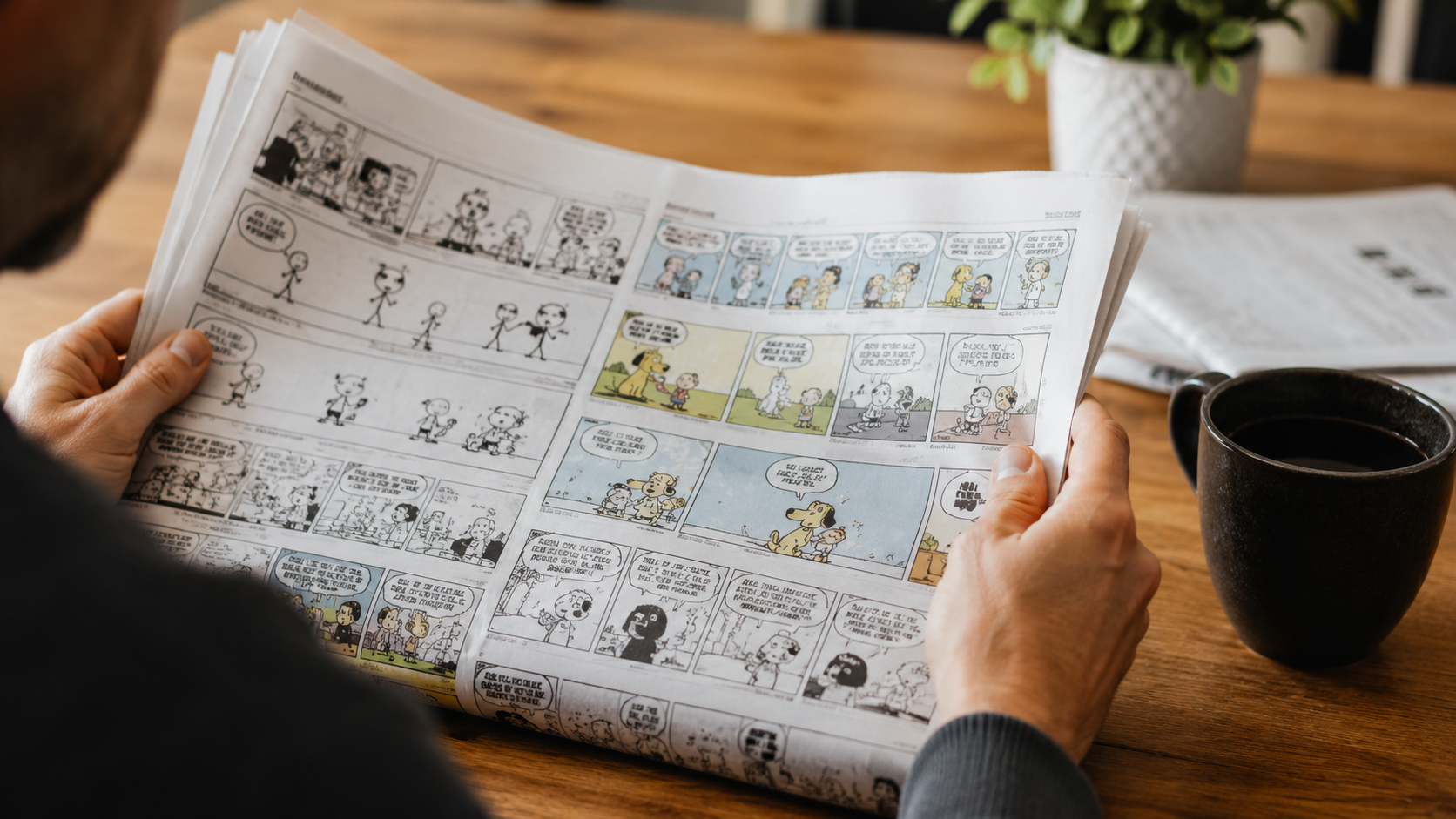
There’s something oddly comforting about comic strips. Whether you’re flipping through a newspaper over coffee or scrolling through a website on your phone, a well-timed punchline from a familiar character can genuinely brighten your morning. That’s part of why so many people search for USA Today comics — they’re looking for that small, reliable moment of humor or warmth in their day.
But not everyone knows exactly what the USA Today comics section includes, where to find it, or how it compares to other comics pages. This article covers all of that.
Direct Answer
USA Today comics refer to the daily comic strips published by USA Today, one of the most widely circulated newspapers in the United States. The comics section features a rotating selection of popular syndicated strips such as Garfield, Peanuts, Beetle Bailey, and others. Readers can access USA Today comics both in print and online through the newspaper’s website, where strips are updated daily and archived for a period of time.
What Are USA Today Comics?
USA Today comics are the syndicated comic strips included in USA Today’s print and digital editions. Like most major American newspapers, USA Today licenses its comic strips from syndicates — organizations that distribute strips from individual cartoonists to publications across the country.
This means the comics you see in USA Today are the same strips appearing in hundreds of other newspapers simultaneously. The difference is in the selection. Each publication chooses which strips to carry, so the specific lineup in USA Today’s comics section may differ from what you’d find in, say, the Chicago Tribune or the Los Angeles Times.
The comics section has long been one of the most-read parts of any newspaper. Surveys have consistently shown that comic strips attract loyal readers who often turn to that section before reading the news itself.
A Brief History of Comic Strips in American Newspapers
To understand USA Today comics, it helps to understand where newspaper comics came from.
Comic strips in American newspapers date back to the late 1800s. Richard Outcault’s “The Yellow Kid,” which debuted in 1895, is widely credited as one of the earliest newspaper comic strips. From there, the format grew rapidly. By the mid-20th century, comics had become a staple of daily newspapers across the country.
Syndicates like King Features Syndicate, Andrews McMeel Syndication, and Tribune Content Agency became the infrastructure behind this world. Cartoonists would submit their work to a syndicate, and if accepted, their strip would be distributed to subscribing newspapers nationwide. This model created the famous strips most readers still recognize today — Peanuts, Blondie, Beetle Bailey, and Garfield among them.
USA Today launched in 1982, entering the market as a national newspaper with a distinct design philosophy — shorter stories, more color, and a layout built for busy readers. Its comics section followed that same logic: accessible, familiar, and easy to enjoy.
What Comic Strips Are in USA Today?
The specific lineup in the USA Today comics section has varied over the years, but the publication has consistently featured some of the most widely syndicated strips in the country. These typically include long-running classics as well as a few more contemporary additions.
Common strips associated with USA Today’s comics section include:
Garfield — Jim Davis’s lasagna-loving orange cat has been running since 1978 and remains one of the most recognizable comic strip characters in the world.
Peanuts — Charles Schulz’s strip featuring Charlie Brown, Snoopy, and the gang officially ended in 2000 following Schulz’s death, but reruns continue to appear in many publications.
Beetle Bailey — Mort Walker’s military-themed strip has been running since 1950, making it one of the longest-running comics in syndication history.
Blondie — Originally launched in 1930, this strip about the Bumstead family is another example of a comic that has outlasted its original creator and continued under new cartoonists.
Hi and Lois — A family-themed strip that Mort Walker created alongside Dik Browne.
Dennis the Menace — Hank Ketcham’s mischievous kid has been a staple since 1951.
The lineup can change, and USA Today has updated its comics selection at various points to include newer strips or reflect shifting reader preferences. If you’re looking for a specific strip, checking the current online comics page is the most reliable way to see what’s running.
How to Access USA Today Comics Online
Reading USA Today comics online is straightforward. The publication maintains a digital comics section on its website where strips are posted daily.
Here’s how most readers access them:
Step 1: Go to the USA Today website. Navigate to usatoday.com.
Step 2: Find the comics section. You can typically find it by looking under the “Entertainment” or “Life” sections of the site, or by searching “comics” directly in the site’s search bar.
Step 3: Browse or select a specific strip. The online comics page usually lists available strips. You can often click on a specific title to read recent installments or browse an archive of past strips.
Step 4: Check for archive access. Some strips are available going back weeks or months. Others may only show the most recent installment. Archive depth varies by strip and syndicate licensing agreements.
One thing worth knowing: USA Today’s website has a paywall for some content. Whether the comics section falls behind that paywall can depend on your subscription status and any changes the publication makes to its access model. Many readers access individual strips directly through syndicate websites, which often provide free access to recent installments.
How Newspaper Comic Syndicates Work
This is something a lot of readers don’t think about, but it matters when you’re trying to understand why USA Today comics look the way they do and why the lineup doesn’t change more frequently.
When a cartoonist creates a strip, they typically submit it to a syndicate. Getting picked up by a major syndicate is competitive — thousands of submissions arrive each year, but only a handful get accepted. Once a strip is syndicated, the cartoonist produces new strips on a daily or weekly schedule, and the syndicate distributes them to subscribing newspapers.
Newspapers pay licensing fees for each strip they carry. This creates a business relationship between the paper, the syndicate, and the cartoonist. Changing which strips appear in a paper involves contract decisions, not just editorial preferences. That’s why you rarely see a paper dramatically overhaul its comics lineup overnight.
For readers, this system has one important implication: if you can’t find a specific strip in USA Today comics, it may simply not be part of their licensed lineup. In that case, the syndicate’s own website is usually your best resource.
USA Today Comics vs. Other Newspaper Comics Pages
If you read comics in multiple papers, you’ve probably noticed the overlap. Most major national papers carry many of the same strips. That’s by design — the most popular syndicated comics are picked up by the widest range of publications precisely because they have the broadest appeal.
Where papers tend to differ is in:
Local or regional strips. Some papers carry strips with regional humor or local cartoonists. USA Today, as a national publication, typically focuses on strips with universal appeal.
Selection size. Some papers run larger comics sections with 30 or more strips; others keep it compact. USA Today has generally favored a more curated selection.
Editorial comics. Political cartoons operate differently from comic strips. Some papers have strong editorial cartoon traditions; others don’t. This is separate from the comics section proper.
Sunday editions. Sunday comics have historically been printed in color with larger panel layouts. USA Today’s format and national distribution model affect how it handles Sunday content compared to regional papers.
Why People Still Read Comics in the Digital Age
It’s a fair question. With streaming, social media, and countless entertainment options available at any moment, why do comic strips still have a dedicated readership?
A few reasons:
They’re short. In a world of infinite scroll and long-form content, a three-panel strip that takes 20 seconds to read has real appeal. There’s no commitment required.
They’re familiar. Characters like Snoopy and Garfield have been part of people’s lives for decades. Reading them feels like checking in with old friends.
They’re consistent. A daily comic strip follows a reliable rhythm. Same characters, same world, same general tone. That reliability is comforting in a way that’s hard to quantify but easy to feel.
They work across generations. A grandparent and a grandchild can both enjoy the same Peanuts strip, often for different reasons. Few entertainment formats manage that kind of cross-generational reach.
Comic strips also found new life online. Webcomics — strips created specifically for digital publication — have introduced younger audiences to the format. While webcomics and newspaper comics are distinct categories, they share readers and sensibilities. The existence of webcomics has arguably reinforced rather than replaced the appetite for the traditional newspaper comic strip format.
Common Misconceptions About USA Today Comics
“USA Today creates its own comic strips.”
It doesn’t. Like all newspapers, USA Today licenses strips from syndicates. The cartoonists work independently and distribute through intermediaries.
“All newspaper comics are the same.”
The most popular strips appear in many papers simultaneously, but the full lineup varies. Two papers may share 70% of the same comics and diverge on the rest.
“Peanuts ended when Charles Schulz died.”
Schulz’s original strips did end, but reruns have continued running in newspapers for decades since his death in 2000. Many readers encountering Peanuts today are reading classic strips from the 1960s through 1990s, not new material.
“Comics sections are disappearing.”
Print circulation has declined, but comics sections haven’t vanished. Both newspaper comics and syndicates have adapted to digital distribution. Strips that used to reach readers only through print now appear on websites, apps, and syndicate platforms as well.
“You need a subscription to read USA Today comics.”
Access policies change, but many strips can also be found through syndicate websites that offer free access to recent installments.
Key Facts About USA Today Comics
- USA Today launched in September 1982 and has included a comics section as part of its entertainment offerings.
- Newspaper comic strips are distributed through syndicates including King Features Syndicate, Andrews McMeel Syndication, and Tribune Content Agency.
- Some of the longest-running syndicated strips appearing in USA Today and other papers have been in continuous publication for over 70 years.
- The Sunday comics tradition, featuring larger colored panels, dates back to the late 1890s.
- Garfield, which frequently appears in USA Today comics, is one of the most widely syndicated comic strips in the world, appearing in thousands of newspapers across multiple countries.
- Readership surveys have historically shown that comic strips are among the most-read sections of any newspaper.
- Digital access to USA Today comics has made the strips available to readers who don’t subscribe to the print edition.
FAQ: USA Today Comics
What comics are in USA Today?
USA Today carries a selection of popular syndicated strips. Common inclusions have been Garfield, Peanuts, Beetle Bailey, Blondie, and others. The specific lineup can change, so checking the current comics page on the USA Today website gives you the most accurate list.
Where can I read USA Today comics online?
The USA Today website (usatoday.com) hosts a comics section, typically found under entertainment or lifestyle content. Individual strips can also be found on syndicate websites like GoComics.com or KingFeatures.com, which host large archives of popular strips.
Are USA Today comics free to read online?
Access depends on USA Today’s current paywall policies. Many individual strips are available for free through syndicate websites regardless of your USA Today subscription status.
How often are comics updated?
Daily strips update every day, Monday through Sunday. Sunday strips are traditionally larger in format. Some strips are weekly rather than daily.
Can I find older USA Today comics?
Archive access varies. USA Today’s own website may offer a limited archive. For deeper archives, GoComics and King Features often maintain extensive back catalogs of individual strips going back years or even decades.
Why do some papers have different comics than others?
Each publication independently licenses strips from syndicates based on their editorial preferences, readership, and budget. This is why your local paper may carry different strips than USA Today.
Are the comics the same in print and online?
Generally yes, though the digital presentation differs from print. Online comics often appear in color regardless of the day, while print color availability has traditionally depended on the edition.
Key Takeaways
- USA Today comics feature a curated selection of widely syndicated daily comic strips, not strips created in-house by the newspaper.
- The strips are licensed through major syndicates, which is why many of the same comics appear across multiple national and regional newspapers.
- Classic long-running strips like Garfield, Peanuts, and Beetle Bailey have been fixtures in USA Today’s comics section and in newspaper comics generally for decades.
- Readers can access USA Today comics through the newspaper’s website, though some content may be behind a paywall; syndicate websites often provide free access to the same strips.
- Comic strips remain popular despite digital competition because of their brevity, consistency, and familiarity.
- Understanding how syndication works helps explain why comic lineups change slowly and why certain strips feel ubiquitous across different publications.
The newspaper comic strip has survived radio, television, the internet, and social media — not by competing with those formats, but by being something completely different. USA Today comics, like comics pages everywhere, offer a small and reliable daily ritual. That’s not a small thing. And for millions of readers, it’s exactly what they’re looking for.


Introduction
Every so often, a small moment at an airport gate turns into something people can’t stop talking about. That’s what happened with the Delta upgrade dance off Salt Lake City story, a video that spread quickly because it captured something travelers rarely see: an airline employee turning a routine boarding process into a genuinely fun, spontaneous moment.
If you’ve seen the clip or heard people talking about it and want the full picture, here’s what actually happened, why it happened, and what it says about how airlines handle empty first class seats.
Direct Answer: What Was the Delta Dance Off in Salt Lake City?
At gate A31 in Salt Lake City International Airport, a Delta Air Lines gate agent had two empty first class seats left with no one remaining on the upgrade list. Instead of leaving them empty, she announced over the loudspeaker that any passenger willing to break dance could win the seats. Two travelers stepped up, danced, and both received the free upgrade to first class.
How the Situation Unfolded
The story started the way most airline boarding stories do: with an oversold economy cabin and two open seats up front. Delta typically fills empty first class seats through its upgrade list, which prioritizes passengers based on elite status, how much they’ve flown with the airline, or how much they’ve spent on Delta over time. But on this particular flight, everyone eligible for a complimentary upgrade had already been moved.
That left the gate agent, identified in social media posts as “Nat,” with two seats to fill and no formal process left to fill them with. Rather than simply leaving the seats empty or defaulting to a random assignment, she picked up the gate microphone and got creative.
According to reporting from View From the Wing, which first covered the story, she told waiting passengers, “I’m in need of two passengers to be seated in first class. Anyone willing to do a break dance to be seated into first class?” After a brief pause, two passengers volunteered, a man in a white hoodie and a woman in darker clothing, and danced in front of the gate while other travelers watched, laughed, and clapped.
Both dancers were rewarded with the upgrade, and video of the moment quickly circulated on social media platforms, racking up hundreds of thousands of views.
Why Empty First Class Seats Happen in the First Place
To understand why this situation came up at all, it helps to know how airline upgrades typically work. Airlines like Delta maintain a list of passengers eligible for complimentary upgrades, usually based on frequent flyer status, fare class, or spending history with the airline’s loyalty program. When a flight boards, gate agents work through that list in priority order until either the upgrade seats are filled or the list runs out.
Sometimes, as apparently happened on this flight, the list runs out before the seats do. That can occur when there simply aren’t enough eligible passengers on a given flight, or when the plane doesn’t have enough passengers total to generate a long upgrade list. Since Delta doesn’t usually leave premium seats empty if it can help it, and since airlines increasingly reserve most first class seats for paid upgrades rather than free ones, an unusual gap like this doesn’t come up often, but it does happen.
Most of the time, an empty seat situation like this gets resolved quietly. A gate agent might simply offer the seat to whoever asks, or leave it unfilled. What made this flight different was the decision to turn it into something public and interactive instead.
Why This Story Resonated With So Many People
Part of what made the Delta upgrade dance off in Salt Lake City spread so widely is that it broke from what people expect at airport gates. Air travel has a reputation for being stressful, transactional, and rigid, with strict boarding groups, shrinking legroom, and increasingly expensive add-ons for what used to be free. A gate agent turning a boring administrative gap into a moment of shared entertainment stood out precisely because it felt human.
There’s also a simple appeal to the idea that anyone in the terminal, regardless of status or spending, had a real shot at the upgrade in that moment. Loyalty programs and paid upgrades reward frequent, high-spending travelers, which makes sense from a business standpoint, but it also means many travelers rarely get a shot at a free first class seat. A break dance contest, however unconventional, briefly leveled that playing field.
Common Misconceptions About the Story
Misconception: This is now how Delta handles all empty first class seats. This was a one-off decision made by an individual gate agent at a specific gate on a specific day. It isn’t a documented Delta policy, and there’s no indication other gate agents are expected to do anything similar.
Misconception: Passengers can request this treatment on future flights. Upgrade eligibility is still governed by Delta’s standard system based on status, fare class, and loyalty spending. This moment happened because the formal list had already been exhausted, not because dancing is a recognized path to an upgrade.
Misconception: The gate agent broke airline rules. Nothing about the video suggests any rule violation. She used her discretion to fill two already-open seats after the normal upgrade process had run its course, which gate agents generally have some latitude to do.
Misconception: This means upgrades are becoming more accessible overall. Industry data cited in coverage of the story notes that a shrinking share of Delta’s first class seats go to complimentary upgrades compared to years past, with the airline increasingly favoring paid upgrades. This viral moment was an exception, not evidence of a broader trend toward looser upgrade access.
How Complimentary Upgrades Normally Work
For readers wondering how to actually improve their odds of a free upgrade under normal circumstances, here’s a general outline of the factors involved:
- Elite status with the airline’s loyalty program typically ranks highest in upgrade priority.
- Fare class purchased matters, since some ticket types are more upgrade-eligible than others.
- Spending history with the airline, including co-branded credit card use, can factor into upgrade eligibility.
- Flight timing plays a role too, since off-peak flights are statistically more likely to have open premium seats than heavily booked business travel routes.
- Paid upgrades, purchased directly through the airline’s app or website, remain the most reliable way to guarantee a seat, since they don’t depend on availability or status.
None of these usual factors applied to the two travelers who won seats in Salt Lake City. Their upgrade came down to an unusual circumstance and a willingness to dance in front of a crowd of strangers.
Real-World Context
Stories like this tend to resurface periodically in travel news because they’re relatable in a way that policy announcements or fare changes aren’t. A passenger checking in for a flight the next week isn’t likely to encounter a dance-off of their own, but the story still shapes how people think about the airline. Positive, human moments like this can influence brand perception even for travelers who will never personally experience anything similar, which is part of why the clip spread well beyond people who regularly follow aviation news.
Key Facts
- The event took place at gate A31 in Salt Lake City International Airport.
- Two first class seats were left unfilled after the standard upgrade list was exhausted.
- A Delta gate agent offered the seats to any passenger willing to break dance.
- Two passengers volunteered and both received the free upgrade.
- Video of the moment was first widely reported by View From the Wing and later spread across social media, including TikTok, where it drew hundreds of thousands of views.
- The event occurred in March 2026.
- There is no indication this reflects an official Delta policy or a repeatable process.
Frequently Asked Questions
What happened in the Delta upgrade dance off in Salt Lake City?
A Delta gate agent had two unfilled first class seats after the standard upgrade list ran out. She invited passengers to break dance for the seats, and two volunteers won the upgrades.
Is this a real Delta policy for filling empty seats?
No. This was a spontaneous decision by one gate agent in one specific situation, not a documented or repeatable Delta policy.
Where and when did this happen?
It happened at gate A31 in Salt Lake City International Airport, reported in coverage published in late March 2026.
How do complimentary upgrades normally work on Delta?
They’re typically based on elite loyalty status, fare class, and spending history with the airline, processed through an upgrade list before boarding.
Can I ask for a similar deal on my next Delta flight?
There’s no guarantee any gate agent would repeat this approach. Standard upgrade paths, including loyalty status or paid upgrades through Delta’s app, remain the reliable options.
Why did this story go viral?
It stood out because it was unscripted, fun, and gave ordinary passengers, regardless of status or spending, a real shot at a first class seat, which is a rare experience in modern air travel.
Key Takeaways
- The Delta upgrade dance off Salt Lake City story involved a gate agent offering empty first class seats to passengers willing to break dance.
- It happened after the standard complimentary upgrade list had already been used up.
- Two passengers volunteered, danced, and received the upgrades.
- The moment isn’t an official policy and isn’t something travelers can expect to encounter regularly.
- Standard upgrade eligibility still depends on loyalty status, fare class, and paid upgrade options.
Conclusion
The Delta upgrade dance off Salt Lake City moment captured something people don’t often associate with modern air travel: spontaneity and a bit of fun in an otherwise routine process. It wasn’t a new policy or a hidden trick for scoring free upgrades, just one gate agent’s creative solution to an unusual situation, and it resonated with people well beyond the passengers who were actually there to see it.

Direct Answer
Chicken Marbella is a baked chicken dish made with prunes, green olives, capers, garlic, oregano, white wine, and brown sugar. It comes from The Silver Palate Cookbook, published in 1982 by Sheila Lukins and Julee Rosso, and despite its Spanish-sounding name, it was created in New York City, not in Marbella, Spain. The dish is known for marinating overnight, then baking into a balance of sweet, salty, and tangy flavors.
Where Chicken Marbella Actually Comes From
The name suggests a recipe imported straight from southern Spain, but Chicken Marbella has no documented connection to the city of Marbella at all. It was developed by Sheila Lukins, who ran a Manhattan catering company in the 1970s, and Julee Rosso, her business partner. The two opened a gourmet takeout shop called The Silver Palate on New York’s Upper East Side, and Chicken Marbella was one of their original signature dishes alongside baked ham and beef tenderloin.
It quickly became their most requested item. When Lukins and Rosso published The Silver Palate Cookbook in 1982, the recipe reached a much wider audience and became one of the most reprinted, most imitated dishes of the era. The cookbook is now one of the best-selling cookbooks of all time, and Chicken Marbella is widely considered its signature recipe.
The dish caught on partly because of timing. American home cooks in the 1970s and ’80s were deeply influenced by Julia Child and French technique, and Lukins and Rosso’s ingredient list — olives, capers, prunes, garlic, vinegar — felt distinctly Mediterranean and unfamiliar by comparison. The combination read as worldly and a little daring at the time, which is part of why it became such a fixture at dinner parties.
What Makes the Flavor Work
Chicken Marbella leans on a marinade that pairs salty, briny ingredients against sweet, fruity ones, which is the main reason the dish stands out from a typical roast chicken.
- Capers and green olives bring sharp, briny saltiness.
- Prunes add concentrated sweetness and a soft, jammy texture as they bake.
- Garlic and dried oregano give the marinade an herbal, savory backbone.
- Red wine vinegar balances the sweetness and keeps the dish from tasting heavy.
- Brown sugar and white wine, added right before baking, caramelize slightly in the oven and turn the pan drippings into a thick, glossy sauce.
The result is a dish where almost every bite has a bit of sweet, a bit of salty, and a bit of acid, which is unusual for a baked chicken recipe and is the main reason people remember it after one taste.
How the Dish Is Typically Made
The process is straightforward, even though the ingredient list looks long.
- Marinate overnight. Chicken pieces are coated in a mixture of garlic, oregano, vinegar, olive oil, prunes, olives, capers, and bay leaves, then refrigerated for at least several hours, ideally overnight. This step is what gives the chicken its depth of flavor, and most cooks consider it non-negotiable.
- Arrange and season. The marinated chicken goes into a baking dish in a single layer, with the marinade spooned over it.
- Add wine and sugar. Just before baking, white wine is poured around the chicken and brown sugar is sprinkled over the top, which helps the pan juices reduce into a glossy sauce as it bakes.
- Bake until done. The chicken bakes until it reaches a safe internal temperature, typically around an hour for bone-in pieces, with occasional basting to keep the skin from drying out.
The original Silver Palate version uses quartered whole chickens, but most modern versions use bone-in chicken thighs or a mix of thighs and drumsticks, since dark meat holds up better to the longer bake time and stays juicier.
Common Mistakes
Skipping the overnight marinade. Because the dish has so many bold ingredients, it’s tempting to assume a short marinade will do. In practice, the overnight rest is what lets the vinegar and salt actually penetrate the meat rather than just coating the surface.
Using boneless, skinless chicken breast without adjusting the timing. Breast meat dries out much faster than thighs and drumsticks. If you use breast meat, it needs noticeably less time in the oven, or it can turn tough and stringy.
Treating the brown sugar as optional. Some cooks leave it out to cut sweetness, but the sugar isn’t just for flavor — it helps the pan juices thicken and caramelize into the sauce that makes the dish distinctive. Cutting it back is fine; removing it entirely changes the texture of the final sauce.
Assuming all versions are identical. Recipes have drifted over four decades. Some swap dates for prunes, use red wine instead of white, or adjust the sugar significantly. None of these are “wrong,” but they do produce a noticeably different dish than the original 1982 version.
Serving and Storage
Chicken Marbella is unusual among baked chicken dishes in that it’s just as good cold or at room temperature as it is hot, which is part of why it became such a popular dinner-party and picnic dish. Leftovers keep well in the refrigerator for several days, and many cooks find the flavor actually improves after a day or two, since the chicken continues to absorb the marinade.
Frequently Asked Questions
Is Chicken Marbella actually from Marbella, Spain? No. Despite the name, it was created in New York City by Sheila Lukins and Julee Rosso and has no documented connection to the Spanish city.
What does Chicken Marbella taste like? It’s a balance of salty (olives, capers), sweet (prunes, brown sugar), and tangy (vinegar, wine) flavors, with a strong garlic and oregano backbone.
Can I make Chicken Marbella ahead of time? Yes — in fact, the marinating step requires advance preparation, and many people find the dish tastes even better the next day, making it a popular choice for entertaining.
What cut of chicken works best? Bone-in, skin-on thighs and drumsticks are the most forgiving, since they stay moist through the longer bake time. Boneless thighs work too, with a shorter cook time; boneless breasts are the riskiest option for drying out.
Is Chicken Marbella served hot or cold? Either. It’s commonly served hot from the oven, but it’s also served at room temperature, which makes it a practical option for buffets and picnics.
What can I substitute for prunes if I don’t like them? Dried apricots or dates are common substitutes, and several well-known variations use them instead of prunes for a slightly different sweetness.
Key Takeaways
- Chicken Marbella comes from The Silver Palate Cookbook (1982), created by Sheila Lukins and Julee Rosso in New York, not Marbella, Spain.
- The defining flavor combination is prunes and brown sugar against olives and capers, balanced with vinegar, garlic, and oregano.
- An overnight marinade is essential to the dish’s flavor and texture.
- Bone-in chicken thighs and drumsticks hold up better than chicken breast for this recipe.
- The dish is served hot or at room temperature and often tastes better the day after it’s made.
Conclusion
Chicken Marbella has stayed popular for more than forty years because the combination of sweet, salty, and tangy flavors is genuinely distinctive, and because the make-ahead format makes it practical for entertaining. Whether you stick to the original Silver Palate version or one of its many variations, the core idea — bold, contrasting flavors and an overnight marinade — is what makes the dish work.
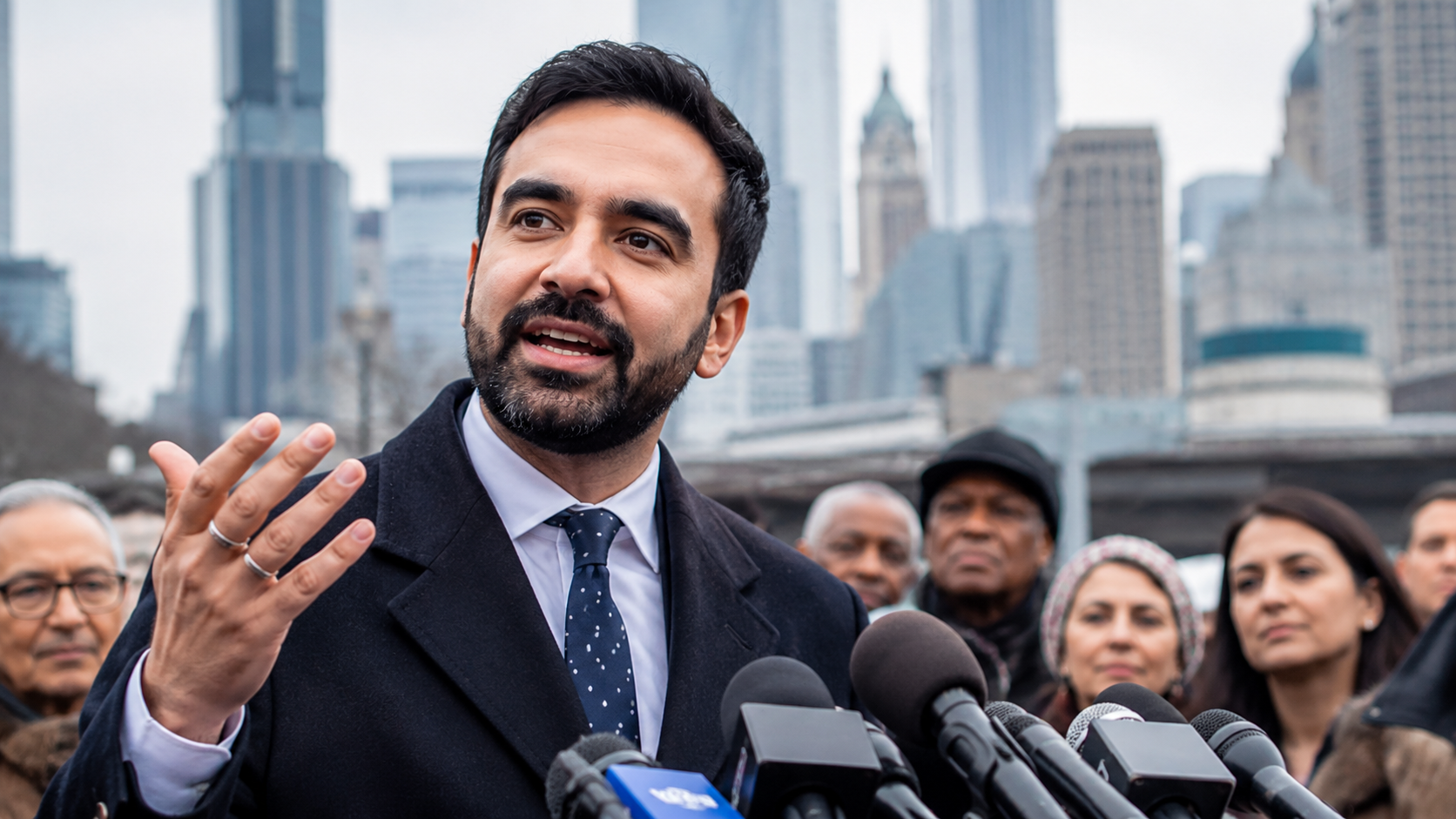
Few politicians have generated as much attention in American cities as Zohran Mamdani has in just the first six months of his tenure as New York City mayor. A democratic socialist who defeated both the Democratic establishment and a high-profile independent to win the mayoralty, Mamdani has moved quickly — and his actions keep making headlines. Whether you’re a New Yorker watching your rent, a political observer tracking the left wing of the Democratic Party, or just someone trying to understand what’s actually happening in America’s largest city, Mamdani news has become hard to ignore.
Here’s a comprehensive look at who he is, what he’s done since taking office, and what’s currently unfolding.
Who Is Zohran Mamdani?
The Quick Answer
Zohran Kwame Mamdani, born October 18, 1991, is the 112th Mayor of New York City, sworn into office on January 1, 2026. A member of both the Democratic Party and the Democratic Socialists of America (DSA), he previously served in the New York State Assembly representing Astoria, Queens. He is the city’s first Muslim mayor and one of the most prominent democratic socialist elected officials in the United States.
Background and Rise to Power
Mamdani was born in Kampala, Uganda, to Mahmood Mamdani — a prominent Indo-Ugandan academic — and filmmaker Mira Nair. He spent part of his childhood in Cape Town before moving to New York City at age seven. He graduated from the Bronx High School of Science and studied Africana studies at Bowdoin College. Before entering politics, he worked as a housing counselor and was active in progressive organizing circles in New York.
He was first elected to the State Assembly in 2020, defeating a five-term incumbent in the Democratic primary for the 36th district, which covers Astoria and parts of Queens. He built a reputation as a tenants’ rights advocate and became one of the most visible members of the DSA’s elected wing in New York.
His path to the mayoralty was improbable on paper. He entered the 2025 race as a relative longshot, polling far behind Andrew Cuomo — the disgraced former governor who entered as the frontrunner with backing from both the Democratic establishment and an endorsement from President Donald Trump. Mamdani won the Democratic primary in June 2025 and went on to win the general election in November, capturing 50.4% of the vote against Cuomo running as an independent and Republican Curtis Sliwa.
Mamdani News: Key Developments Since Taking Office
Inauguration and Day-One Actions
Mamdani was sworn in as Mayor on January 1, 2026 — the oath administered by New York Attorney General Letitia James in the abandoned City Hall subway station just after midnight. He took the oath on the Quran, making him the first mayor of the city to do so, using two copies: his grandfather’s and Arturo Alfonso Schomburg’s. A public inauguration followed that afternoon, at which Bernie Sanders administered a second swearing-in. Speakers and performers included Alexandria Ocasio-Cortez, Javier Muñoz, Lucy Dacus, and Mandy Patinkin.
He wasted no time on policy. On his first day, Mamdani announced three housing executive orders: revitalizing the Mayor’s Office to Protect Tenants, and creating two new task forces — LIFT (Land Inventory Fast Track) and SPEED (Streamlining Procedures to Expedite Equitable Development) — aimed at accelerating housing construction on city-owned land and cutting bureaucratic red tape.
The Rent Freeze — Campaign Promise Delivered
The biggest piece of Mamdani news in his first six months has been the rent freeze. It was his signature campaign promise, and he made it happen faster than many expected.
On June 25, 2026, the city’s Rent Guidelines Board voted 7–1 to approve a rent freeze covering both one-year and two-year leases for people living in about one million rent-stabilized apartments — roughly 27% of the overall housing stock across New York City’s five boroughs.
Without a successful legal challenge, the freeze would take effect on October 1, 2026, and continue until September 30, 2027. The freeze applies to a range of properties, from high-rise luxury apartments to deeply affordable subsidized units and 150-year-old walk-ups.
How did he pull it off? The mayor does not have the power to directly raise or lower rents, but he has authority to appoint members of the Rent Guidelines Board. In February 2026, Mamdani appointed six of the RGB’s nine members, positioning the board to deliver the freeze.
The move is not without controversy. Housing experts have warned the freeze could backfire by discouraging investment and pushing rents higher in non-stabilized units. New York Apartment Association CEO Kenny Burgos said the policy could deter developers, arguing that investors wouldn’t want to build in a city where revenues could be capped. Others contend that rent freezes paradoxically disincentivize construction, which causes rents elsewhere to rise.
A landlord board member resigned in protest just before the vote, claiming the decision had effectively been made during the campaign and that the board’s deliberative process had become theater. Legal challenges from landlord groups remain a possibility.
City-Owned Grocery Stores
One of the more unconventional proposals from Mamdani’s campaign — city-run grocery stores — has been moving forward. In April 2026, Mamdani announced the La Marqueta marketplace in Manhattan’s East Harlem neighborhood as the first identified site. The mayor plans to spend roughly $30 million to build the store in the predominantly Latino neighborhood. Five stores are planned, one in each borough, expected to progressively open from 2027 through 2029.
The concept is aimed at addressing food deserts and the high cost of groceries in underserved neighborhoods. Critics have questioned whether city-run stores can operate sustainably, while supporters argue that the model is common in other countries and could provide meaningful relief in areas that have long lacked affordable food options.
Housing Task Forces and Tenant Protections
Beyond the rent freeze, Mamdani’s housing agenda has moved on multiple fronts. The LIFT task force was directed to review city-owned properties and identify sites suitable for housing development by July 2026. The SPEED task force, overseen by Deputy Mayor Leila Bozorg and Deputy Mayor of Operations Julia Kerson, is focused on identifying and removing permitting barriers that drive up construction costs and slow housing development.
On his first day, Mamdani also directed the city to intervene in the bankruptcy proceedings of Pinnacle Group — a landlord responsible for more than 5,000 housing violations, 14,000 complaints across 83 buildings, and money owed to the city — taking what the administration called an unprecedented step on behalf of renters living in some of the city’s most neglected buildings.
Immigration Policy
In February 2026, Mamdani signed an executive order requiring ICE agents to obtain judicial warrants in New York City — a significant statement on immigration enforcement in a sanctuary city context, and one that brought immediate national attention.
The Gracie Mansion Incident
On March 7, 2026, a homemade explosive device was thrown into the crowd of an anti-Islam protest outside Gracie Mansion, Mamdani’s official residence. Police investigated the attack as an act of ISIS-inspired terrorism. Two men were taken into custody and faced federal charges. Mamdani condemned both the protest and the attack, calling the demonstration “appalling” and reaffirming that the right to peaceful protest “does not belong only to those we agree with.”
Congressional Endorsements — A Political Kingmaker Emerges
The most recent major Mamdani news involves his influence beyond City Hall. In June 2026, he backed a slate of progressive congressional candidates in New York primaries, and all three won.
Former New York City Comptroller Brad Lander defeated Rep. Dan Goldman in the Democratic primary for New York’s 10th District. State legislator Claire Valdez defeated Brooklyn Borough President Antonio Reynoso in the open 7th District. A third Mamdani-backed candidate, Darializa Avila Chevalier — a 32-year-old first-time candidate and public defender investigator — defeated a five-term incumbent.
The results represent a significant return on political capital. Mamdani campaigned actively for the candidates, appearing with them in the final days of the contests and cutting an ad alongside them in which he branded the slate as his “team.”
The wins cement Mamdani’s position as not just a city executive but a major force in shaping the direction of the Democratic Party nationally.
How Has Business Reacted?
When Mamdani won the Democratic primary in June 2025, the business community was alarmed. JPMorgan CEO Jamie Dimon called Mamdani “more of a Marxist than a socialist.” Hedge fund manager Bill Ackman said he woke up “a bit depressed.” Real estate stocks sold off and threats to relocate to Florida multiplied.
Six months into his mayoralty, those fears have not materialized in the ways predicted. Real estate firm JLL’s first-quarter 2026 data showed Manhattan office leasing activity climbing for top-tier buildings, with vacancies declining and rents rising 3.5% year-over-year.
The picture remains mixed. The rent freeze and city grocery stores represent genuine policy friction with traditional business interests. But Mamdani has also shown a willingness to engage with corporate New York — including visiting the White House to negotiate a reported $21 billion federal housing commitment for Queens. Analysts and business observers are watching closely to see whether early economic indicators hold.
What Are the Key Policy Debates Around Mamdani?
Rent Freeze: Relief vs. Long-Term Supply
The central tension in Mamdani news around housing is whether the rent freeze helps or hurts in the long run. Supporters argue it provides immediate relief to working-class tenants in a city where more than half of renters spend at least 30% of their income on housing. Critics argue it reduces incentives to build and maintain housing stock, making the underlying supply problem worse over time.
Both sides have data to point to. New York has implemented rent freezes before — Mayor Bill de Blasio froze rents for one-year leases in 2015, 2016, and 2020 — without catastrophic outcomes, but also without solving the city’s underlying affordability crisis.
Democratic Socialism in Practice
Mamdani is often described as a test case for whether democratic socialist ideas can work at scale in a major American city. His administration is still early, and the full effects of his housing and economic policies will take years to assess. What’s clear is that he has moved quickly to implement campaign promises — the rent freeze being the most concrete example — which is itself notable in a political environment where many campaign pledges fade quietly after election day.
Relationship With Albany and Washington
Many of Mamdani’s most ambitious proposals — including free city buses — require cooperation with the state-controlled Metropolitan Transportation Authority, the governor, and state legislature. His relationship with Governor Kathy Hochul has been cooperative on some issues, such as the childcare expansion announcement in January 2026, but New York City mayors have historically faced significant friction with Albany on major policy priorities.
Common Misconceptions About Mamdani
He’s an outsider with no experience.
Mamdani served four years in the State Assembly before becoming mayor, during which time he was involved in several significant tenant protection victories. He’s a career politician, not a political novice.
His election signals a radical break with New York’s past.
New York City has a long tradition of progressive mayors. Mamdani’s platform is more left than most of his predecessors, but the city has elected mayors well to the left of the national Democratic mainstream for decades.
The rent freeze means rents will go down across the city.
The freeze applies only to rent-stabilized apartments, which represent roughly 27% of the city’s housing stock. Market-rate rents are not affected and can still rise.
Business has abandoned New York because of him.
Early economic data does not support this. Office leasing has risen and the predicted exodus of businesses has not materialized, though the longer-term effects of his policies remain to be seen.
Key Facts
- Zohran Mamdani was sworn in as the 112th Mayor of New York City on January 1, 2026
- He is the city’s first Muslim mayor and took the oath of office on the Quran
- Born in Kampala, Uganda; moved to New York at age seven; grew up in Queens and the Bronx
- Member of both the Democratic Party and the Democratic Socialists of America
- Won the 2025 mayoral general election with 50.4% of the vote
- The NYC Rent Guidelines Board voted 7–1 on June 25, 2026 to freeze rents on approximately one million apartments
- City-run grocery stores are planned for all five boroughs, starting with East Harlem in 2027
- Three of his congressional endorsees won their June 2026 Democratic primaries
- He speaks English, Hindi, Swahili, Luganda, Spanish, and Arabic
- Mamdani was Google’s top “People” trending search for 2025
FAQ
What has Mamdani done as mayor so far?
In his first six months, Mamdani signed executive orders creating housing task forces, froze rents on roughly one million rent-stabilized apartments, announced plans for city-run grocery stores, signed an ICE warrant requirement order, and successfully backed three progressive candidates in June 2026 congressional primaries.
What is the Mamdani rent freeze?
The NYC Rent Guidelines Board voted on June 25, 2026 to freeze rents for both one- and two-year leases in rent-stabilized apartments — about one million units, or roughly 27% of the city’s housing stock. The freeze is set to take effect October 1, 2026 and run through September 2027, pending any legal challenges.
What are Mamdani’s city grocery stores?
He has proposed building five city-owned grocery stores — one per borough — aimed at reducing food costs in underserved neighborhoods. The first site, La Marqueta in East Harlem, was announced in April 2026, with stores expected to open progressively from 2027 through 2029.
What party is Mamdani?
He is a member of both the Democratic Party and the Democratic Socialists of America (DSA). He ran and won on the Democratic ballot line.
Is Mamdani the first Muslim mayor of New York City?
Yes. He took the mayoral oath on the Quran at midnight on January 1, 2026, making him the first Muslim to serve as mayor of New York City.
What happened at Gracie Mansion in March 2026?
An explosive device was thrown into a crowd during an anti-Islam protest outside the mayoral residence. Two men were charged with federal terrorism-related offenses. Mamdani condemned both the protest and the attack.
How did Mamdani win the 2025 election?
He won the June 2025 Democratic primary against Andrew Cuomo, who had been considered the frontrunner, then won the November general election with 50.4% of the vote against Cuomo running as an independent and Republican Curtis Sliwa.
Key Takeaways
- Zohran Mamdani is the 112th Mayor of New York City, sworn in January 1, 2026, and the city’s first Muslim mayor
- He ran on an affordability platform centered on rent freezes, city-owned grocery stores, free buses, universal childcare, and a $30 minimum wage
- His most significant delivery so far is the June 2026 rent freeze, covering roughly one million rent-stabilized apartments across all five boroughs
- City-run grocery stores are in development, with the first planned for East Harlem
- His congressional endorsements in June 2026 went 3-for-3, establishing him as a national figure in progressive Democratic politics
- Business reaction has been more measured than initial alarm suggested, with Manhattan office activity growing in early 2026
- Major policies still face obstacles — free buses require state cooperation, legal challenges to the rent freeze are possible, and housing supply remains a long-term concern
- Mamdani news is evolving quickly — he is only six months into a four-year term, and the lasting impact of his policies will take time to assess
Zohran Mamdani arrived at City Hall faster than nearly anyone expected, and he has governed with a speed and purpose that surprised even some supporters. Whether his administration marks a durable shift in how New York City — and American cities more broadly — approach housing, labor, and public services remains an open question. For now, Mamdani news shows no sign of slowing down.


Masgonzola: What It Is, Ingredients, Taste, Uses, and How It Differs From Gorgonzola

Neworldsmagazine: What It Is, Topics, Website, Content, and What Readers Should Know

Nidia del Carmen Ripoll Torrado: Biography, Family, Shakira Connection, and Life

Kane Brown: The Life and Career of Country Music’s Genre-Blending Star

Lionel Messi: Career, Records, and Where He Stands in 2026

Jason Beck: Detroit Tigers Beat Reporter and One of Baseball’s Most Trusted Voices
-
 Business3 months ago
Kane Brown: The Life and Career of Country Music’s Genre-Blending Star
-
 Sports3 months ago
Lionel Messi: Career, Records, and Where He Stands in 2026
-
 Lifestyle4 months ago
Jason Beck: Detroit Tigers Beat Reporter and One of Baseball’s Most Trusted Voices
-

 Sports3 months ago
Gordon Ramsay’s Brother: Everything Known About Ronnie Ramsay
-

 News3 months ago
NCIS: What the Show Is About, How It Works, and Why It’s Still On the Air
-

 News3 months ago
Amber Heard: Career, Legal History, and Where She Is Today
-

 News3 months ago
Trump Tariffs Explained: What They Are, How They Work, and What They Mean for Prices in 2026
-

 News3 months ago
Patrick Muldoon: The Life and Career of the Days of Our Lives and Starship Troopers Actor