
News
Amber Heard: Career, Legal History, and Where She Is Today

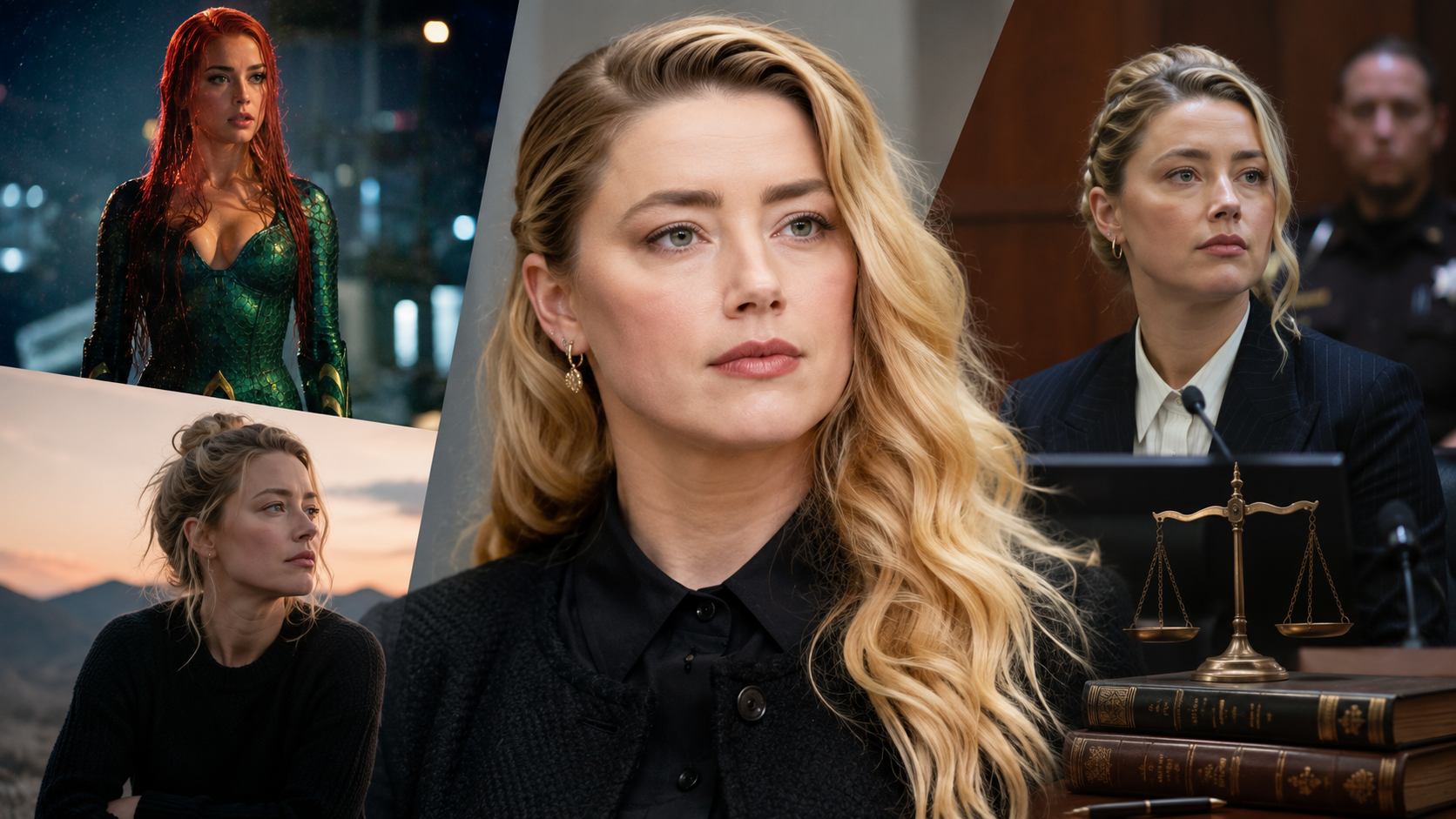
Direct Answer
Amber Heard is an American actress born April 22, 1986, best known for playing Mera in Aquaman and Justice League. She became widely known outside film circles for a highly publicized legal battle with ex-husband Johnny Depp, which included a 2020 UK libel trial and a 2022 US defamation trial with different outcomes in each country. As of 2026, she lives in Madrid, Spain, with her three children.
Who Is Amber Heard?
Amber Heard built an acting career over roughly two decades, moving from small television roles to a lead part in a major superhero franchise. For a large share of the public, though, her name is tied just as strongly to a legal saga that played out across two countries and dominated headlines and social media for years.
This article separates the two threads of her public story: her acting career, and the legal history involving her ex-husband Johnny Depp, including what each court actually ruled. It also covers her early life, activism, and where she is now.
Early Life and Background
Amber Laura Heard was born on April 22, 1986, in Austin, Texas, the middle of three daughters. Her mother, Patricia Paige Heard, worked as an internet researcher, and her father, David Heard, ran a construction company. She grew up outside Austin, spending time riding horses, hunting, and fishing with her father.
Heard was raised Catholic and attended a Catholic high school, but began identifying as an atheist at sixteen following the death of a close friend. She left high school at seventeen to pursue modeling and acting, first in New York and later in Los Angeles, eventually completing her diploma through a home-study program.
Acting Career
Heard’s early screen work included small television roles and appearances in music videos before she landed her first film credits. She appeared in Friday Night Lights (2004) and had a supporting role in the Oscar-nominated North Country (2005).
Her breakthrough came with a starring role in the horror film All the Boys Love Mandy Lane (2006), followed by higher-profile supporting parts in Pineapple Express (2008) and Never Back Down (2008), the latter earning her a Young Hollywood Award. She continued building her filmography through the early 2010s with roles in Drive Angry (2011), The Rum Diary (2011) opposite Johnny Depp, Paranoia (2013), Machete Kills (2013), 3 Days to Kill (2014), and Magic Mike XXL (2015).
Heard’s most widely recognized role came starting in 2017, when she was cast as Mera, queen of Atlantis, in the DC Extended Universe. She appeared in Justice League (2017), Aquaman (2018), and Aquaman and the Lost Kingdom (2023). She has also worked in television, including a lead role on The CW’s Hidden Palms (2007) and a part in the Paramount+ series The Stand (2020–2021).
Relationship With Johnny Depp
Heard met Johnny Depp in 2009 while filming The Rum Diary. According to widely reported accounts, the two began a relationship in 2012 and married in a civil ceremony in February 2015. Heard filed for divorce in May 2016, and the divorce was finalized in January 2017.
The UK Libel Trial (2020)
In 2018, Depp sued News Group Newspapers, publisher of The Sun, over an article that referred to him as a “wife beater.” Heard served as a key witness for the newspaper during the trial, which took place in London in July 2020.
In November 2020, the presiding judge ruled against Depp, finding that the newspaper had proven the substantial truth of its claim. The judge stated that the majority of the alleged assaults against Heard, 12 of the 14 that were examined, had been proven to the applicable civil standard. Depp’s request to appeal the verdict was rejected in March 2021.
The US Defamation Trial (2022)
Separately, Depp filed a defamation lawsuit against Heard in Virginia in February 2019, centered on a December 2018 op-ed she wrote for The Washington Post about domestic abuse. The op-ed did not name Depp directly, but his lawsuit argued it clearly referenced the abuse allegations Heard made against him in 2016. Depp sought $50 million in damages; Heard filed a $100 million countersuit.
The trial took place in Fairfax County, Virginia, from April 11 to June 1, 2022, and was livestreamed, drawing enormous public attention and extensive social media commentary throughout its six weeks. On June 1, 2022, the jury found that Heard had defamed Depp through three statements connected to the op-ed, awarding him $10 million in compensatory damages and $5 million in punitive damages, though Virginia’s statutory cap reduced the punitive award to $350,000. The jury also found in Heard’s favor on one of her three counterclaims, ruling that a statement made by Depp’s attorney describing her allegations as a “hoax” was defamatory, and awarded her $2 million. The net result favored Depp by roughly $8.35 million.
Heard filed a notice of appeal in July 2022, but in December 2022 announced she had decided to settle the case, agreeing to pay Depp $1 million. In her public statement, Heard said she made “no admission” as part of the settlement and framed the decision as a way to move forward without further litigation. Depp’s attorneys stated that the jury’s verdict remained fully in place and that Depp intended to donate the settlement payment to charity.
Why the UK and US Rulings Differed
A common point of confusion is why the two legal proceedings reached different conclusions. The cases were not the same lawsuit and did not ask the same legal question.
The UK case was a libel claim brought by Depp against a newspaper, decided by a judge alone under UK defamation law, which places the burden on the defendant (the newspaper) to prove the truth of its claims. The judge concluded the newspaper had met that burden regarding most of the alleged incidents.
The US case was a defamation claim brought by Depp against Heard directly, decided by a jury under Virginia law, which places the burden on the plaintiff (Depp) to prove the statements were false, defamatory, and made with the required level of fault. The jury found Depp met that burden regarding Heard’s op-ed statements, while also finding Heard met the same burden regarding one statement from Depp’s attorney.
Different legal systems, different burdens of proof, different fact-finders, and different specific claims being tested all contributed to the differing outcomes. Legal commentators have noted that a difference in verdicts between the two cases doesn’t necessarily represent a contradiction, given how differently the two legal questions were framed.
Activism and Public Advocacy
Heard has been involved in humanitarian and civil rights causes for much of her adult life. She began volunteering with the American Civil Liberties Union in 2016 and has been involved with Amnesty International. She has spoken publicly about domestic and sexual violence awareness and has been associated with LGBTQ rights advocacy, including working as a Human Rights Champion in a university-affiliated role following the trials.
Common Misconceptions
“The US trial proved the UK case wrong.” The two cases addressed different legal claims under different legal systems and standards of proof. A US jury verdict on defamation claims against an op-ed doesn’t overturn a UK judge’s separate factual findings in an unrelated libel case against a newspaper.
“Heard didn’t have to pay anything in the end.” She did pay Depp $1 million as part of the December 2022 settlement, though this was substantially less than the roughly $8.35 million net judgment from the jury verdict.
“Depp received no negative finding in the US case.” The jury did find in Heard’s favor on one of her three counterclaims, ruling that a statement from Depp’s attorney calling her allegations a “hoax” was defamatory, and awarded her $2 million.
“Heard’s career ended after the trial.” She continued acting following the trial, including her role in Aquaman and the Lost Kingdom (2023), though her public profile and career trajectory were significantly affected by the case’s media coverage.
Key Facts About Amber Heard
- Born April 22, 1986, in Austin, Texas.
- Best known for playing Mera in Justice League (2017), Aquaman (2018), and Aquaman and the Lost Kingdom (2023).
- Married Johnny Depp in February 2015; divorced in January 2017.
- A UK judge ruled in November 2020 that a newspaper’s description of Depp as a “wife beater” was substantially true.
- A Virginia jury ruled in June 2022 that Heard defamed Depp in a Washington Post op-ed, while also finding Depp’s attorney defamed Heard on one statement.
- Heard settled the case in December 2022, paying Depp $1 million.
- She has volunteered with the ACLU since 2016 and has been involved with Amnesty International.
- She had her first child via surrogacy in 2021 and welcomed twins in 2025.
- As of 2026, she lives in Madrid, Spain.
Frequently Asked Questions
What is Amber Heard best known for?
She’s best known for playing Mera in the DC Extended Universe films Justice League, Aquaman, and Aquaman and the Lost Kingdom, as well as for a widely publicized legal battle with ex-husband Johnny Depp.
Did Amber Heard win her case against Johnny Depp?
The outcomes differed by country. A UK judge ruled in 2020 that a newspaper’s claims about Depp were substantially true. A Virginia jury ruled in 2022 that Heard had defamed Depp through statements in a Washington Post op-ed, while also ruling in Heard’s favor on one of her counterclaims.
How much did Amber Heard have to pay Johnny Depp?
She paid $1 million as part of a December 2022 settlement, following a jury verdict that had originally resulted in a net judgment of roughly $8.35 million in Depp’s favor.
Is Amber Heard still acting?
Yes. She appeared in Aquaman and the Lost Kingdom in 2023 and has continued to take on selective acting projects since the trial.
Where does Amber Heard live now?
As of 2026, Heard lives in Madrid, Spain, with her children.
Does Amber Heard have children?
Yes. She had her first child, a daughter, via surrogacy in April 2021, and announced the arrival of twins, a daughter and son, in May 2025.
Key Takeaways
- Amber Heard built an acting career spanning two decades, with her best-known role being Mera in the DC Extended Universe.
- Her legal battle with Johnny Depp involved two separate cases in two countries, with different legal standards and different outcomes.
- A UK judge found in 2020 that most of the alleged assaults against Heard had been proven true; a Virginia jury found in 2022 that Heard had defamed Depp through op-ed statements, while also ruling in her favor on one counterclaim.
- Heard settled the US case in December 2022, paying Depp $1 million.
- She has continued acting and remains involved in human rights advocacy, now living in Madrid with her three children.
Conclusion
Amber Heard’s public story sits at the intersection of a working acting career and one of the most closely watched legal disputes in recent entertainment history. Understanding it accurately means keeping the two legal proceedings separate rather than treating one as a simple reversal of the other, since they asked different legal questions under different systems. Years after the Virginia trial concluded, Heard has continued working in film while building a quieter life abroad with her children.
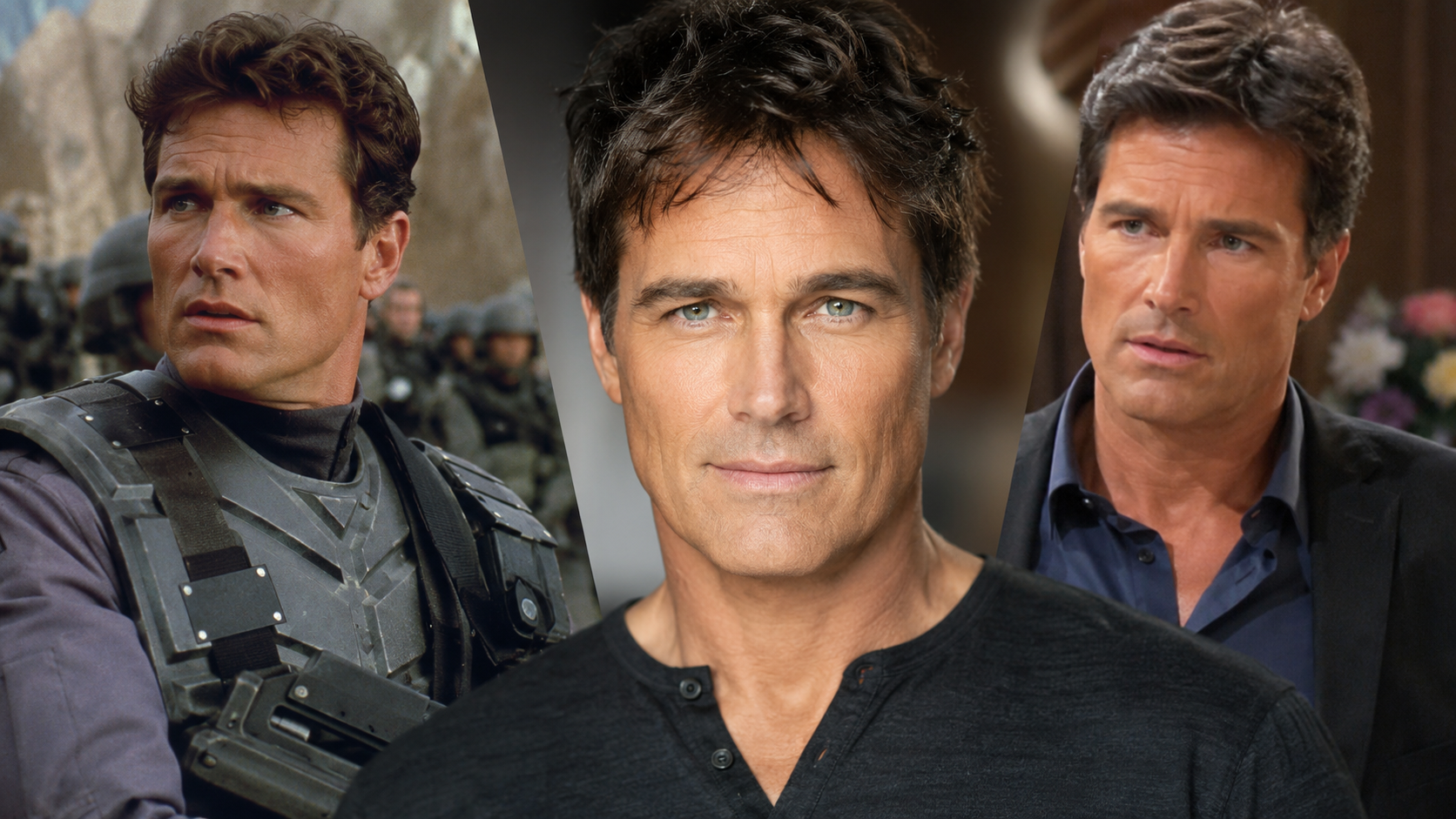
Direct Answer
Patrick Muldoon (September 27, 1968 – April 19, 2026) was an American actor, producer, and musician best known for playing Austin Reed on Days of Our Lives, Richard Hart on Melrose Place, and Zander Barcalow in Starship Troopers. A former USC football player and Calvin Klein model, he later built a producing career and died at age 57 following a heart attack.
Who Is Patrick Muldoon?
Patrick Muldoon spent more than three decades moving between soap operas, primetime television, film, and music, without ever settling into just one lane. Readers who search his name usually fall into a few groups: soap opera fans remembering his run as Austin Reed, science fiction fans who know him from Starship Troopers, and people who recently heard the news of his death and want to understand who he was.
This article walks through his early life, his rise through daytime and primetime television, his film career, his later work as a producer, and the circumstances surrounding his death, along with answers to the questions people ask most often about him.
Early Life and Background
Patrick Muldoon was born William Patrick Muldoon III on September 27, 1968, in San Pedro, California, a waterfront community in the Los Angeles area. His father, William Patrick Muldoon II, worked as a personal injury and maritime attorney. His mother, Deanna Muldoon, was a homemaker. Muldoon had Irish ancestry through his father and Croatian ancestry through his mother.
He attended Loyola High School, a Jesuit school in Los Angeles, before enrolling at the University of Southern California. At USC, Muldoon played tight end for the Trojans football team and was a member of the Sigma Chi fraternity, earning two Rose Bowl rings along the way. He graduated in 1991.
How Patrick Muldoon Got Into Acting and Modeling
Muldoon’s path into entertainment started almost by accident. While still a USC student, he posed for the “Men of U.S.C.” college calendar, a decision that led to modeling work for Calvin Klein jeans through the Wilhelmina modeling agency. That modeling exposure opened doors in television.
He landed a small role on Who’s the Boss? in 1984 and a brief arc on Saved by the Bell shortly after his college graduation. Around the same time, he appeared on the crime drama Silk Stalkings. These early credits gave him enough visibility to be considered for a leading role in daytime television.
Days of Our Lives and the Role of Austin Reed
Muldoon originated the role of Austin Reed on Days of Our Lives in 1992, a part he played until 1995 and then returned to from 2011 through 2012. The role made him one of the most recognized faces in daytime drama during the early 1990s, and he won a Soap Opera Digest award for best new actor for the performance.
His three years on the show also caught the attention of producer Aaron Spelling. Muldoon later became the only actor to hold an exclusive development deal with Spelling Entertainment, a relationship that expanded his work beyond acting and into television production.
Melrose Place and Primetime Television
Building on his soap opera fame, Muldoon joined the primetime series Melrose Place in 1995, playing Richard Hart, a businessman whose storyline turned villainous over the course of the show’s third through fifth seasons. The role introduced him to a broader primetime audience beyond the daytime soap fan base that had followed him on Days of Our Lives.
Starship Troopers and Film Career
In 1997, Muldoon took on one of his best-known film roles, playing Zander Barcalow in Paul Verhoeven’s science fiction film Starship Troopers, alongside Casper Van Dien and Denise Richards. He followed it with the HBO sequel The Second Arrival in 1998.
Over the following two decades, he worked steadily across independent film and television movies. His credits included the Sundance-selected Wicked (1998) with Julia Stiles, Frank Darabont’s Black Cat Run (1998), and a run of Lifetime television films such as All About Christmas Eve and In the Dark. He also appeared in Spiders 3D and Saving Christmas, among other titles.
Producing Career
As Muldoon moved into his forties, producing became a bigger part of his work. Through his company, Storyboard Productions, he produced and sometimes starred in a range of films, including Badge of Honor with Martin Sheen and Mena Suvari, and The Tribes of Palos Verdes.
In 2019, he produced and appeared in two notable films released in 2020: Arkansas, starring Vince Vaughn, John Malkovich, and Liam Hemsworth, and The Comeback Trail, starring Robert De Niro, Tommy Lee Jones, and Morgan Freeman. His producing credits later expanded to include Marlowe, The Card Counter, The Dreadful, and Riff Raff. At the time of his death, he was set to produce the upcoming film Kockroach, starring Chris Hemsworth.
Music Career
Acting and producing weren’t Muldoon’s only creative outlets. He was the lead singer of the rock band The Sleeping Masses, which released its first music video in 2009. In 2019, he released an EP titled “Muldoon & Ives,” available on streaming platforms. Those who knew him described his approach to music, like his acting, as marked by an energetic, rock-and-roll spirit.
Common Misconceptions About Patrick Muldoon
“He was only known for one role.” While Austin Reed on Days of Our Lives was his breakout part, Muldoon built a career across daytime drama, primetime television, science fiction film, independent movies, and producing.
“He stopped working after his soap opera years.” In fact, his producing career grew significantly in the 2010s and 2020s, with credits on major films including Arkansas and The Comeback Trail.
“He was purely an actor.” Muldoon was also an active producer and a musician who released original music through his band and as a solo artist.
Key Facts About Patrick Muldoon
- Born September 27, 1968, in San Pedro, California; died April 19, 2026, at age 57.
- Played tight end for the USC Trojans football team and holds two Rose Bowl rings.
- Originated the role of Austin Reed on Days of Our Lives (1992–1995, 2011–2012).
- Played Richard Hart on Melrose Place from 1995 to 1996.
- Played Zander Barcalow in Starship Troopers (1997).
- Held an exclusive development deal with Spelling Entertainment in the 1990s.
- Produced films including Arkansas, The Comeback Trail, and The Card Counter through his company, Storyboard Productions.
- Lead singer of the band The Sleeping Masses and released a solo EP, “Muldoon & Ives,” in 2019.
- Died suddenly on April 19, 2026, following a heart attack.
Frequently Asked Questions
What was Patrick Muldoon known for?
He was best known for playing Austin Reed on Days of Our Lives, Richard Hart on Melrose Place, and Zander Barcalow in Starship Troopers.
How did Patrick Muldoon get his start in entertainment?
He began as a model for Calvin Klein after appearing in a USC athletics calendar, which led to early acting roles on shows like Who’s the Boss? and Saved by the Bell.
Did Patrick Muldoon work behind the camera?
Yes. Through his production company, Storyboard Productions, he produced multiple films, including Arkansas, The Comeback Trail, and The Card Counter.
Was Patrick Muldoon involved in music?
Yes. He was the lead singer of the rock band The Sleeping Masses and released a solo EP, “Muldoon & Ives,” in 2019.
How did Patrick Muldoon die?
He died suddenly on April 19, 2026, at age 57, following a heart attack.
Did Patrick Muldoon play college sports?
Yes. He played tight end for the USC Trojans football team while a student and earned two Rose Bowl rings.
Key Takeaways
- Patrick Muldoon’s career spanned modeling, daytime and primetime television, film acting, producing, and music.
- His breakout role was Austin Reed on Days of Our Lives, which he played across two separate stints.
- He later built a significant producing career, working on films with major stars like Robert De Niro and Vince Vaughn.
- He remained active in music throughout his life, both in a band and as a solo artist.
- He died on April 19, 2026, at age 57, following a heart attack.
Conclusion
Patrick Muldoon’s career reflected a willingness to keep reinventing himself, from college football player to Calvin Klein model, from daytime soap heartthrob to primetime villain, and eventually to a working producer with films alongside some of Hollywood’s most established names. His death at 57 closed out a career built on steady work across decades and mediums,
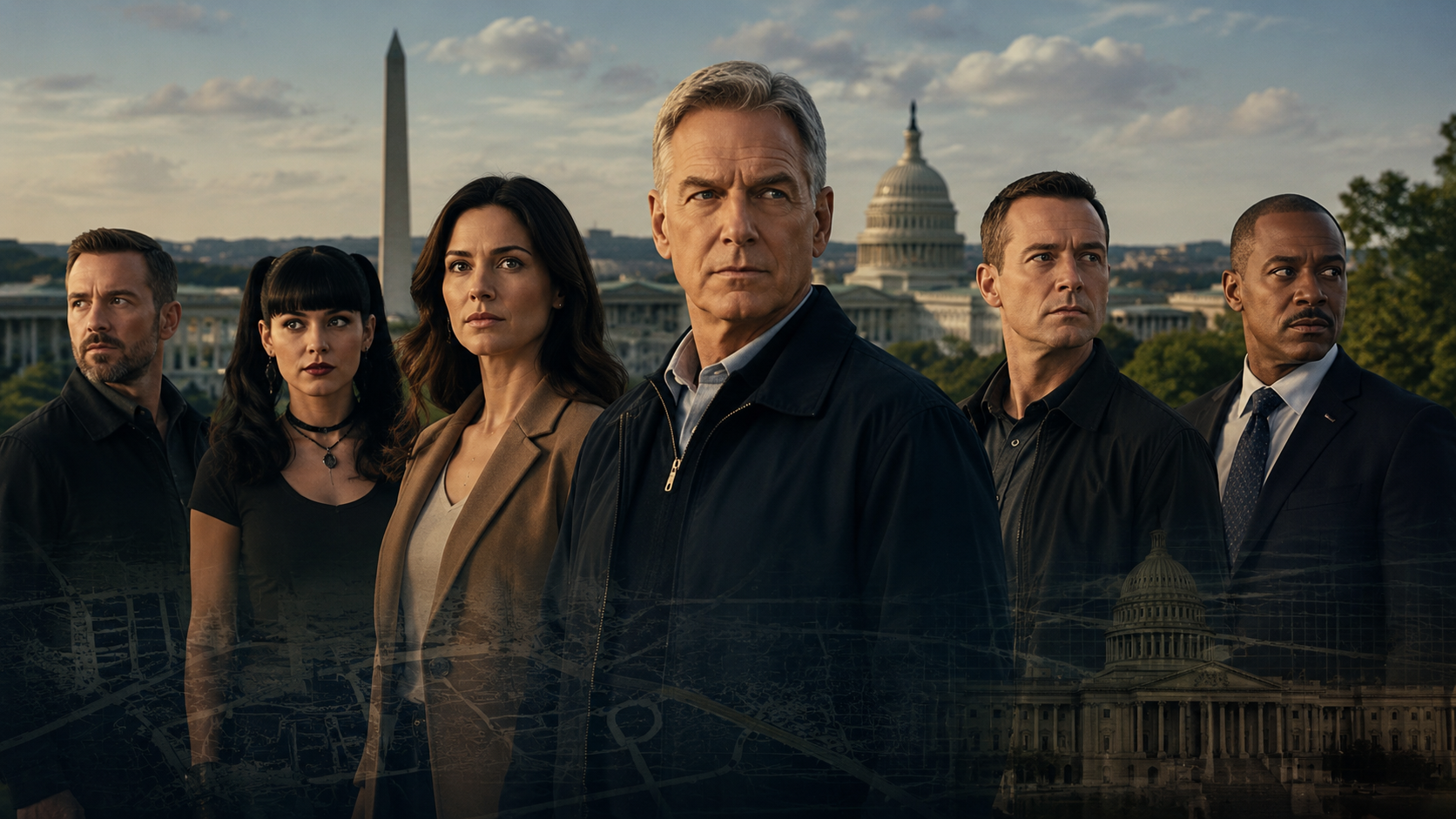
Introduction
If you’ve flipped through channels on a Tuesday night any time in the last two decades, chances are you’ve stumbled across NCIS. It’s one of those shows that seems to always be airing somewhere — a rerun on one channel, a new episode on another, a spinoff quietly building its own audience. For a lot of people, that raises a simple question: what is NCIS actually about, and why has it stuck around this long when so many other procedural dramas have come and gone?
NCIS follows a team of federal agents who investigate crimes connected to the U.S. Navy and Marine Corps. It’s part police procedural, part workplace drama, and part character study, and that combination is a big part of why it has held onto viewers since 2003. Whether you’re a longtime fan trying to explain the show to someone new, a new viewer trying to figure out where to start, or just curious what all the fuss is about, this guide walks through the basics clearly.
Direct Answer: What Is NCIS?
NCIS is a CBS television drama about the Naval Criminal Investigative Service, a real U.S. federal agency that investigates crimes involving Navy and Marine Corps personnel. The show premiered in 2003 and follows a fictional team based at the Washington Navy Yard as they solve murders, espionage cases, and national security threats. It’s built around a mix of criminal investigation, forensic science, and long-running character relationships, and it has spawned several spinoff series set in other cities.
What NCIS Stands For and Where It Came From
NCIS is short for Naval Criminal Investigative Service, which is the actual law enforcement agency of the U.S. Department of the Navy. The real NCIS investigates felony crimes involving Navy and Marine Corps personnel and property, handling everything from murder and fraud to terrorism and cybercrime.
The TV show borrows the agency’s name and general mission but tells its own fictional stories. It began life as a spinoff of another military drama, JAG, where the character of NCIS Special Agent Leroy Jethro Gibbs was introduced before getting his own series. That backdoor pilot approach — testing a new show inside an existing one — worked well enough that NCIS eventually outlasted the series it spun off from by many years.
How the Show Is Structured
Each episode of NCIS typically follows a case-of-the-week format. A crime happens, usually a death connected to a service member, and the team works to figure out who did it and why. Along the way, the show weaves in ongoing storylines about the characters’ personal lives, past traumas, and relationships with each other.
This structure is common in procedural dramas because it lets new viewers jump in at almost any point without needing to have watched every prior episode, while still rewarding longtime fans who follow the deeper character arcs. A viewer who watches one random episode can usually follow the case just fine, even without knowing the full history of the team.
The Core Team
The show centers on a Major Case Response Team, sometimes shortened to MCRT, based out of the Washington Navy Yard. Over the years the roster has changed considerably as actors have left and joined, but the team generally includes:
- A senior field agent who leads investigations
- A forensic scientist who processes evidence in the lab
- A medical examiner who determines cause of death
- A technical or cyber specialist who handles digital evidence
- Additional field agents who rotate in and out of the main cast
Because the cast has turned over multiple times since 2003, the specific names attached to these roles have changed, but the roles themselves have stayed fairly consistent across the show’s run.
Why the Show Has Lasted So Long
There are a few practical reasons NCIS has remained on the air for more than two decades, and understanding them helps explain its broader appeal.
Broad, non-niche appeal. The show blends crime drama, workplace comedy, and family-style relationships between characters, so it doesn’t rely on any single narrow interest to keep viewers engaged.
Consistent scheduling. CBS has generally kept NCIS in a stable weekly time slot, which helps build habitual viewership over time. Familiar scheduling makes it easy for casual viewers to keep tuning in without having to search for the show.
Cast changes without losing the format. Even when major characters have departed, the show has usually replaced them rather than ending, which has let it keep going even through significant cast turnover.
A built-in real-world hook. Because the show is loosely based on an actual government agency, it has access to a steady stream of plausible-sounding storylines involving the military, cybercrime, and international intrigue.
Common Misconceptions About NCIS
Misconception: NCIS agents work directly for the Navy chain of command. In reality, the actual Naval Criminal Investigative Service is a civilian federal law enforcement agency. Its agents are not sailors or Marines themselves; they are federal investigators, similar in structure to the FBI, who happen to specialize in cases connected to naval personnel.
Misconception: The show accurately reflects how NCIS investigations work. Like most procedural dramas, NCIS compresses investigations that would realistically take weeks or months into a 42-minute episode. Forensic results that appear instantly on screen typically take real crime labs far longer to produce.
Misconception: NCIS is a spinoff of a police show. It actually spun off from JAG, a legal drama about military lawyers, not from a traditional police procedural.
Misconception: All the NCIS shows are basically the same series. The franchise has expanded into multiple separate series set in different cities, each with its own cast and, in some cases, its own tone. They share a premise but are distinct shows with different characters and storylines.
The Wider NCIS Franchise
Because of the flagship show’s popularity, CBS has built out an entire franchise around the concept. This has included series set in other locations and time periods, following different investigative teams while keeping the same basic premise of Navy and Marine Corps-related crime investigation. Some of these spinoffs have leaned into different tones — one explored the earlier career of a central character, for instance, while others relocated the concept to a different city entirely.
This kind of franchise expansion is common for long-running procedurals once a format proves it can draw an audience reliably. It lets the network reuse a proven structure while giving each series its own setting and cast to differentiate it.
Real-World Example: How a Typical Episode Unfolds
To make the format concrete, here’s roughly how a standard episode plays out:
- The discovery. A body connected to the Navy or Marine Corps is found, often in a way that hints at foul play.
- The initial investigation. The team arrives at the scene, gathers physical evidence, and starts questioning witnesses.
- The lab work. Forensic evidence is sent to the lab, where it’s analyzed for clues like DNA, ballistics, or digital records.
- The twist. New evidence complicates the early theory of the case, often pointing investigators toward a different suspect.
- The resolution. The team identifies the person responsible and makes an arrest, often after a tense confrontation.
- The character beat. The episode closes with a quieter scene that touches on one of the ongoing personal storylines among the team.
This pattern repeats with variations across most episodes, which is part of what makes the show easy to follow even for occasional viewers.
Common Mistakes People Make When Talking About NCIS
- Assuming it’s a documentary-style show. It’s a scripted drama, not a factual account of real NCIS cases.
- Confusing the agency with military police. The real Naval Criminal Investigative Service is a civilian agency, not part of the military police.
- Thinking the franchise is one continuous storyline. Each spinoff has its own cast and plot, even though they share a premise.
- Assuming the show has stayed exactly the same since 2003. The cast, tone, and even some behind-the-scenes creative leadership have changed considerably over more than twenty seasons.
Key Facts About NCIS
- NCIS premiered on CBS in 2003 as a spinoff of the military legal drama JAG.
- The show is named after the real Naval Criminal Investigative Service, a federal agency under the Department of the Navy.
- It follows a fictional Major Case Response Team based at the Washington Navy Yard.
- The show has run for more than twenty seasons, making it one of the longest-running scripted primetime dramas on U.S. television.
- Several spinoff series have expanded the franchise into other cities and time periods.
- Episodes generally follow a case-of-the-week structure combined with ongoing personal storylines for the main cast.
Frequently Asked Questions
What is NCIS about?
NCIS follows a fictional team of federal agents investigating crimes connected to U.S. Navy and Marine Corps personnel, mixing criminal investigation with long-running character storylines.
Is NCIS based on a real agency?
Yes. The Naval Criminal Investigative Service is a real federal law enforcement agency, though the show’s specific characters, cases, and team are fictional.
How does the show typically start each episode?
Most episodes open with the discovery of a death or crime connected to a Navy or Marine Corps service member, which the team then investigates over the course of the episode.
Why has NCIS lasted so many seasons?
A combination of broad appeal, a stable weekly time slot, adaptability through cast changes, and a flexible case-of-the-week format has helped the show maintain a consistent audience for more than two decades.
Are the NCIS spinoffs required viewing to understand the original show?
No. Each spinoff is largely self-contained, with its own cast and setting, so you don’t need to watch them to follow the flagship series.
Is NCIS still producing new episodes?
Yes, as of 2026 the flagship series remains part of CBS’s lineup, alongside spinoff series that air in the same broader time slot.
Key Takeaways
- NCIS is a long-running CBS drama about a fictional team investigating crimes tied to the Navy and Marine Corps.
- The name comes from a real federal agency, but the show’s cases and characters are fictional.
- Episodes typically combine a case-of-the-week structure with ongoing personal storylines.
- The show’s longevity comes from broad appeal, stable scheduling, and its ability to adapt through cast turnover.
- NCIS has grown into a larger franchise with multiple spinoff series set in different locations.
Conclusion
NCIS has stayed on the air for so long because it does a few things well: it tells self-contained stories that are easy to follow, it builds real emotional investment in its characters over time, and it borrows just enough real-world credibility from an actual federal agency to feel grounded. Whether you’re catching a random rerun or following along week to week, the show is built to make sense either way — which, more than anything, explains why NCIS has remained a fixture of network television for over twenty years.
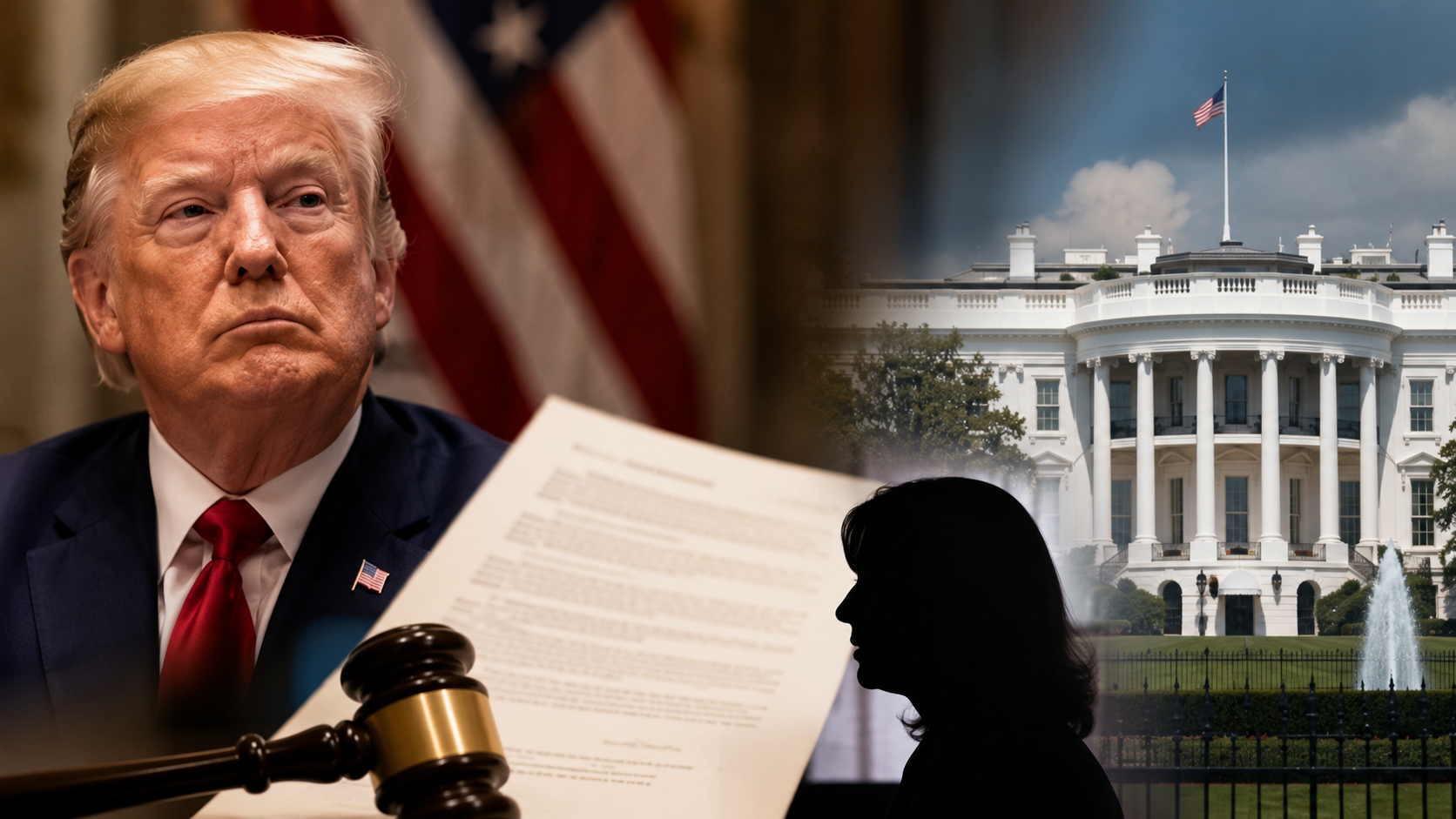
Direct Answer
The White House CBS legal warning refers to a January 2026 incident in which White House Press Secretary Karoline Leavitt told CBS News that President Trump would sue the network if its interview with him, conducted by anchor Tony Dokoupil, was edited before airing. The warning came immediately after the taping in Michigan. CBS says it had already decided independently to air the interview unedited, and the full interview did air that evening.
Why People Are Searching for This Story
This story caught attention because it touches on two things people care about: press freedom and the relationship between a sitting president and a major news network. Readers searching for the White House CBS legal warning generally want to know exactly what was said, whether CBS actually caved to the pressure, and how this incident fits into a longer pattern of tension between the Trump administration and CBS News. This article lays out the sequence of events and the context around them in plain terms.
What Happened: The Sequence of Events
On January 13, 2026, President Trump sat down for a 13-minute interview with CBS Evening News anchor Tony Dokoupil at a Ford plant in Dearborn, Michigan. According to reporting from The New York Times, which reviewed audio recorded immediately after the interview, Press Secretary Karoline Leavitt approached Dokoupil and his producer as soon as the cameras stopped rolling.
Leavitt reportedly relayed a message she attributed to the president, warning the network not to edit the footage and to air the interview in its entirety. She followed that with a more direct statement, indicating legal action would follow if the full interview wasn’t broadcast. Dokoupil responded that CBS was already planning to air the interview as recorded.
Later that evening, CBS News broadcast the interview unedited. In a public statement, the network said the decision to air it in full had been made independently, before the on-site exchange with Leavitt took place, and was not a response to the warning.
Background: Why This Wasn’t the First Clash
This incident didn’t happen in isolation. It followed a legal dispute from 2024, when Trump sued CBS over how a “60 Minutes” interview with then-Vice President Kamala Harris had been edited. Legal analysts at the time were split on the merits of that case, but CBS’s parent company, Paramount, ultimately settled, agreeing to pay $16 million, with funds directed partly toward legal costs and partly toward Trump’s future presidential library. The settlement came while Paramount was seeking federal regulatory approval for its merger with Skydance.
CBS also drew scrutiny in December 2025, when the network’s editor-in-chief held back a story about alleged abuse at a prison in El Salvador where migrants had been sent under a Trump administration policy, saying the story wasn’t ready to publish. Separately, in September 2025, CBS agreed to stop editing taped interviews on its Sunday program “Face the Nation” after the administration objected to how a prior segment had been edited.
Why This Story Matters
Disputes like this one raise questions that go beyond a single interview:
- Editorial independence. When a network faces a direct legal threat tied to how it presents an interview, it raises questions about whether coverage decisions are being made freely or under pressure.
- Precedent from prior settlements. Because Paramount previously settled a similar dispute, some observers see this pattern as evidence that legal threats toward media companies can be effective, regardless of the underlying legal merits.
- Broader pattern with other outlets. Legal and public pressure from the Trump administration has also involved other major media organizations, including Disney/ABC, The Wall Street Journal, and the BBC, making this incident part of a wider dynamic between the administration and the press rather than an isolated event.
Key Facts
- The interview took place January 13, 2026, at a Ford plant in Dearborn, Michigan.
- CBS Evening News anchor Tony Dokoupil conducted the 13-minute interview.
- Press Secretary Karoline Leavitt delivered the warning immediately after the taping ended.
- CBS aired the interview unedited later that same evening.
- CBS stated the decision to air it in full was made independently before the warning was delivered.
- The incident followed a 2024 lawsuit and a $16 million settlement between Trump and CBS’s parent company, Paramount, over a separate “60 Minutes” interview.
Common Misunderstandings About This Story
- Assuming CBS changed its plans because of the threat. CBS has publicly stated the decision to air the interview in full predated the warning and wasn’t made in response to it.
- Treating this as a first-time conflict. This wasn’t an isolated dispute. It follows a prior lawsuit, a large settlement, and other recent friction between the administration and CBS over editorial decisions.
- Confusing this with a filed lawsuit. As of the interview’s airing, this was a legal warning and threat of potential litigation, not an actual filed lawsuit, unlike the earlier 2024 case that did result in a settlement.
- Assuming the legal threat reflects settled legal merit. Legal observers had mixed views on the strength of the earlier 2024 case, and a threat of legal action does not, by itself, indicate a strong legal claim.
Real-World Context: How This Fits the Bigger Picture
Media organizations covering political figures regularly make editorial decisions about how to trim, structure, or present interview footage. This is a routine part of broadcast journalism. What made this incident notable wasn’t the editing question itself, but the direct legal threat delivered immediately after the interview, tied explicitly to how the final segment would be assembled.
For context, a similar situation might involve any public figure asking a network not to cut a specific portion of an interview. What distinguishes this case is the specific mention of a lawsuit, paired with the earlier precedent of an actual settlement paid by the network’s parent company in a related dispute.
Frequently Asked Questions
What is the White House CBS legal warning?
It refers to a warning delivered by Press Secretary Karoline Leavitt to CBS News, stating that President Trump would sue the network if his January 2026 interview with anchor Tony Dokoupil was edited before airing.
How did CBS respond to the warning?
CBS aired the interview unedited later the same day and stated publicly that the decision to run it in full had already been made independently, before the warning was delivered.
Why did the White House issue this warning?
The warning followed a pattern of tension between the Trump administration and CBS News over editorial decisions, including a previous lawsuit and settlement related to a separate interview.
Is this the same as the earlier CBS lawsuit?
No. The earlier case, filed in 2024, involved a “60 Minutes” interview with Kamala Harris and ended in a $16 million settlement. This incident is a separate warning tied to a 2026 interview with President Trump.
Did CBS actually get sued over this interview?
Based on available reporting, this was a warning and threat of potential legal action, not a filed lawsuit, since CBS aired the interview in full.
What should readers understand about editorial independence in cases like this?
Cases like this highlight the tension between political pressure and a news organization’s stated editorial decisions, and different observers may interpret the same sequence of events differently depending on how much weight they give to the network’s own explanation versus the timing of the warning.
Key Takeaways
- The White House CBS legal warning involved a threat of legal action if Trump’s January 2026 interview with CBS was edited before airing.
- Press Secretary Karoline Leavitt delivered the warning immediately after the interview was taped in Michigan.
- CBS aired the interview unedited and said the decision predated the warning.
- The incident follows a 2024 lawsuit and settlement between Trump and CBS’s parent company, Paramount.
- The story is part of a broader pattern of friction between the Trump administration and multiple major media organizations.
Conclusion
The White House CBS legal warning centers on a specific, well-documented moment: a direct threat of legal action delivered right after an interview was recorded, followed by CBS airing the segment unedited and stating its decision had already been made independently. Understanding this story means looking at both the immediate exchange and the broader history between the administration and CBS, since neither piece fully explains the situation on its own.


Prince Harry: Titles, Family History, and Life After Stepping Back From Royal Duties

Astros News: A Complete Guide to Staying Current on Houston’s Season

Amber Heard: Career, Legal History, and Where She Is Today

Venezuela Ladies: Understanding Venezuelan Women, Their Culture, and What to Know Before Connecting With Them

Why Is Grammy Awards Trending? Here’s What’s Behind the Buzz

Trump D.C.: What’s Happening With the President’s Washington Policies
-
 Lifestyle3 weeks ago
Venezuela Ladies: Understanding Venezuelan Women, Their Culture, and What to Know Before Connecting With Them
-
 News3 weeks ago
Why Is Grammy Awards Trending? Here’s What’s Behind the Buzz
-
 Business3 weeks ago
Trump D.C.: What’s Happening With the President’s Washington Policies
-

 Travel3 weeks ago
USA Today Comics: What They Are, How to Read Them, and Why They Still Matter
-
 News1 month ago
Mike Leach: The Coach Who Changed College Football Forever
-
 News3 weeks ago
Drew Bobo Out for Spring Practice: What It Means for Georgia’s Offensive Line
-
 News2 weeks ago
White House CBS Legal Warning: What Happened With the Trump Interview Dispute
-

 Tech4 weeks ago
US Attacks Iran: What Happened, Why, and What’s Next