
Entertainment
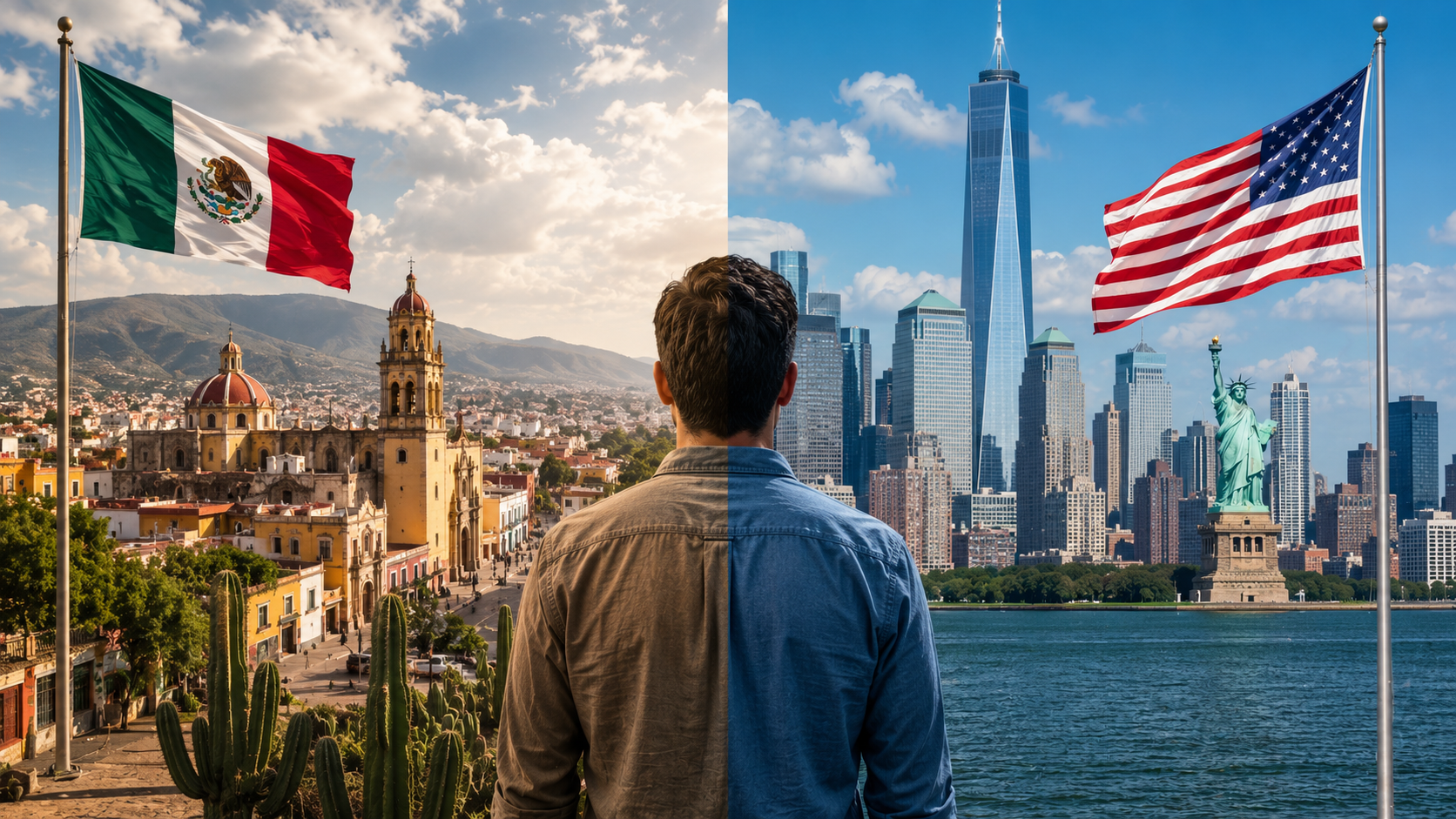
Mexico vs USA: A Complete Comparison of Life, Cost, Culture, and Economy

Introduction
People search for “Mexico vs USA” for many different reasons. Some are thinking about moving abroad. Some are comparing job markets or planning a long trip. Others just want to understand how two neighboring countries, so close on a map, can feel so different in daily life.
This comparison looks at the areas that matter most: cost of living, income and jobs, healthcare, safety, education, culture, and quality of life. The goal is to give you a clear, honest picture, not a sales pitch for either country.
Mexico and the United States share a 2,000-mile border, deep trade ties, and millions of family connections. But their economies, healthcare systems, and daily rhythms of life are quite different. Understanding those differences helps you make better decisions, whether you’re relocating, retiring abroad, doing business, or just curious.
Direct Answer
When comparing Mexico vs USA, the main differences come down to cost and income. The United States has a much larger economy and higher average wages, but also a much higher cost of living, especially for housing and healthcare. Mexico offers a significantly lower cost of living and warmer climates in many regions, but average incomes are lower and access to certain public services varies more by region. Neither country is simply “better” — the right choice depends on your income source, lifestyle priorities, and risk tolerance.
Mexico vs USA: Economy and Income
The Size of Each Economy
The United States has the largest economy in the world by nominal GDP. Mexico’s economy is smaller but is one of the largest in Latin America, and it’s deeply connected to the U.S. through manufacturing, agriculture, and trade agreements like the USMCA (United States-Mexico-Canada Agreement).
This trade relationship matters more than most people realize. Many products cross the border multiple times during production before reaching a store shelf. A car, for example, might have parts made in both countries before final assembly.
Average Wages
Wages are one of the clearest differences in the Mexico vs USA comparison. The average salary in the U.S. is considerably higher than in Mexico, even after adjusting for cost of living in some categories. A skilled worker in the U.S. — say, a nurse or a software developer — will typically earn several times what a similar worker earns in Mexico.
That said, income comparisons only tell part of the story. A person earning a U.S.-based remote salary while living in Mexico can enjoy a standard of living that would be difficult to achieve on the same salary inside the U.S., simply because everyday costs are lower.
Mexico vs USA: Cost of Living
This is usually the single biggest factor people care about when comparing the two countries.
Housing
Housing costs vary widely by city in both countries, but on average, rent and home prices are significantly lower in Mexico than in most U.S. cities. A comfortable one-bedroom apartment in a mid-sized Mexican city might cost a fraction of what a similar apartment costs in a major U.S. metro area like New York, Los Angeles, or Chicago.
Smaller U.S. cities can be more affordable, and popular expat destinations in Mexico, such as parts of Mexico City, Playa del Carmen, or San Miguel de Allende, have seen housing costs rise due to demand from foreign residents.
Food and Daily Expenses
Groceries, dining out, and everyday services (haircuts, repairs, transportation) tend to cost less in Mexico. Public transportation in Mexican cities is generally cheaper than owning and maintaining a car in most parts of the U.S.
Taxes
Both countries have income taxes, but the structure differs. The U.S. has federal income tax plus state and sometimes local taxes. Mexico has federal income tax with different brackets and rules, and value-added tax (IVA) applies to many goods and services, similar to sales tax in the U.S. but generally applied more broadly.
Mexico vs USA: Healthcare
Healthcare is one of the most misunderstood parts of any Mexico vs USA comparison.
How the Systems Work
The United States relies mainly on private insurance, often tied to employment, along with public programs like Medicare and Medicaid for specific groups. Care quality is generally very high, but costs without insurance can be extremely high, and even insured patients can face large bills.
Mexico has a mixed system. Public healthcare (IMSS and INSABI/other public programs) covers a large portion of the population, and private healthcare is widely available at a much lower cost than in the U.S. Many Americans travel to Mexico specifically for dental work, prescription medications, and certain surgeries because of the price difference, a practice often called medical tourism.
Quality Considerations
Private hospitals in major Mexican cities and tourist areas often have English-speaking doctors trained internationally, and quality can be excellent. Public hospitals vary more by region, with rural areas typically having fewer resources than urban centers. In the U.S., quality is generally more consistent nationwide, but that consistency comes with a higher price tag.
Mexico vs USA: Safety
Safety is a common concern, and it deserves an honest, balanced answer rather than exaggeration in either direction.
Crime rates in Mexico vary enormously by region. Some areas have serious issues with organized crime and violence, largely tied to drug trafficking routes. Other areas, particularly popular tourist and expat regions, report crime rates similar to or lower than many U.S. cities. The U.S. also has significant regional variation, with some cities having high violent crime rates and others being quite safe.
The key point: broad statements like “Mexico is dangerous” or “the U.S. is safe” oversimplify a more complicated reality. Location matters more than nationality when it comes to personal safety in either country.
Mexico vs USA: Culture and Daily Life
Pace of Life
Many people describe daily life in Mexico as more relaxed, with a stronger emphasis on family time, long meals, and social gatherings. The U.S. work culture tends to prioritize efficiency and productivity, with shorter lunch breaks and less vacation time compared to many other countries, including Mexico in some respects.
Language
English is the dominant language in the U.S., though Spanish is widely spoken in many communities. Spanish is the official language in Mexico, though English is common in tourist areas, business settings, and among younger, urban populations.
Food
Food culture differs significantly. Mexican cuisine is diverse and varies by region, from the seafood-heavy dishes of coastal areas to the mole and corn-based dishes of central Mexico. American cuisine is shaped by a mix of immigrant traditions and regional specialties, from Southern barbecue to New England seafood.
Mexico vs USA: Education
Public education is available in both countries, but funding structures and outcomes differ. U.S. public schools are funded significantly through local property taxes, which creates uneven quality between wealthy and lower-income districts. Mexico’s public education system is centrally funded, and outcomes vary based on region and access to resources, particularly between urban and rural areas.
Higher education costs are generally much lower in Mexico than in the United States, where student debt has become a major national issue.
Step-by-Step: How to Compare Mexico vs USA for Your Own Situation
If you’re trying to decide between the two, or just want a clearer picture, this process helps:
- List your income source. Is your income tied to a U.S. salary, a Mexican salary, remote work, or retirement savings? This single factor changes the entire comparison.
- Estimate your monthly budget in both places. Include housing, food, healthcare, and transportation for the specific cities you’re considering, not national averages.
- Check healthcare access for your situation. Look into whether you’d use private insurance, public healthcare, or a mix of both.
- Research the specific region, not just the country. Safety, cost, and culture vary dramatically by city and state in both countries.
- Consider visa or residency requirements. Mexico offers temporary and permanent residency visas with income requirements; U.S. immigration processes vary by visa category and are generally more complex.
- Think about long-term plans. Retirement, remote work, and starting a family each have different practical needs.
Common Mistakes and Misconceptions
Mistake: Assuming Mexico is uniformly dangerous. Crime rates vary drastically by region. Many areas are as safe as typical U.S. suburbs.
Mistake: Assuming healthcare in Mexico is low quality. Private healthcare in major cities is often high quality and significantly cheaper than U.S. private care.
Mistake: Comparing national averages instead of specific cities. Cost of living in Mexico City is very different from a small coastal town. The same is true for New York versus a small town in Ohio.
Mistake: Ignoring currency exchange rate risk. If your income is in U.S. dollars but you spend in Mexican pesos (or vice versa), exchange rate changes can affect your budget significantly over time.
Mistake: Assuming everyone in Mexico speaks English, or that no one does. Reality falls somewhere in between and depends heavily on the region and setting.
Real-World Examples
Example 1: The Remote Worker A software developer earning a U.S. salary of $80,000 a year decides to live in Guadalajara. Their housing and food costs drop significantly compared to a major U.S. city, allowing them to save a larger percentage of their income while maintaining a comfortable lifestyle.
Example 2: The Retiree A retired couple on a fixed U.S. pension moves to a coastal town in Mexico. Lower housing costs and lower private healthcare costs stretch their retirement savings further than staying in a high-cost U.S. state would have.
Example 3: The Cross-Border Worker A person living in a Mexican border city commutes to work in the U.S. daily, earning U.S. wages while benefiting from lower housing costs on the Mexican side of the border.
These examples show why a Mexico vs USA comparison depends heavily on individual circumstances rather than one-size-fits-all conclusions.
Key Facts
- The U.S. has a larger overall economy, while Mexico’s economy is closely tied to it through trade.
- Average wages are higher in the U.S., but cost of living is also significantly higher.
- Housing, groceries, and healthcare generally cost less in Mexico.
- Both countries have significant regional variation in safety, cost, and quality of services.
- Mexico’s public healthcare system covers a large share of the population; the U.S. relies more heavily on private insurance.
- English is dominant in the U.S.; Spanish is dominant in Mexico, with regional variation in bilingual populations.
- Both countries are connected through the USMCA trade agreement.
FAQ
What is the main difference between Mexico and the USA?
The most significant difference is economic: the U.S. has higher average wages and a much higher cost of living, while Mexico has lower wages but a substantially lower cost of living.
Is it cheaper to live in Mexico than the USA?
For most categories, including housing, food, and healthcare, yes. Exact savings depend on the specific cities being compared.
Is Mexico safe compared to the USA
Safety varies significantly by region in both countries. Some areas of Mexico have serious crime concerns tied to organized crime, while other areas are considered quite safe. The same regional variation exists in parts of the U.S.
Is healthcare better in the USA or Mexico?
Public and private healthcare quality varies by region in both countries. The U.S. generally has more consistent quality nationwide, but at a much higher cost. Mexico offers lower-cost private care that can be high quality, especially in major cities.
Can Americans move to Mexico easily?
Mexico offers temporary and permanent resident visa options with income or savings requirements. The process is generally considered more straightforward than many U.S. immigration pathways, though requirements and processing times can change.
Which country has a better quality of life?
This depends entirely on personal priorities. Some people value the lower cost of living and slower pace of life in Mexico. Others prioritize higher wages, infrastructure consistency, or specific career opportunities available in the U.S.
Key Takeaways
- Mexico vs USA comparisons should focus on specific cities and personal circumstances, not just national averages.
- The U.S. offers higher wages but a higher cost of living overall.
- Mexico offers a lower cost of living, with healthcare and housing savings being especially significant.
- Safety and quality of services vary by region in both countries, not by nationality alone.
- Trade ties through the USMCA connect the two economies closely.
- Personal factors like income source, healthcare needs, and family situation matter more than general comparisons.
Conclusion
Comparing Mexico vs USA isn’t about declaring a winner. It’s about understanding how each country handles cost of living, healthcare, safety, and daily life, so you can apply that understanding to your own situation. Both countries offer real advantages depending on what you value most, whether that’s higher earning potential, lower everyday costs, healthcare access, or lifestyle preferences. The best approach is to look past broad generalizations and focus on the specific cities, income sources, and priorities that apply to you.
Why People Search for TFW Meaning
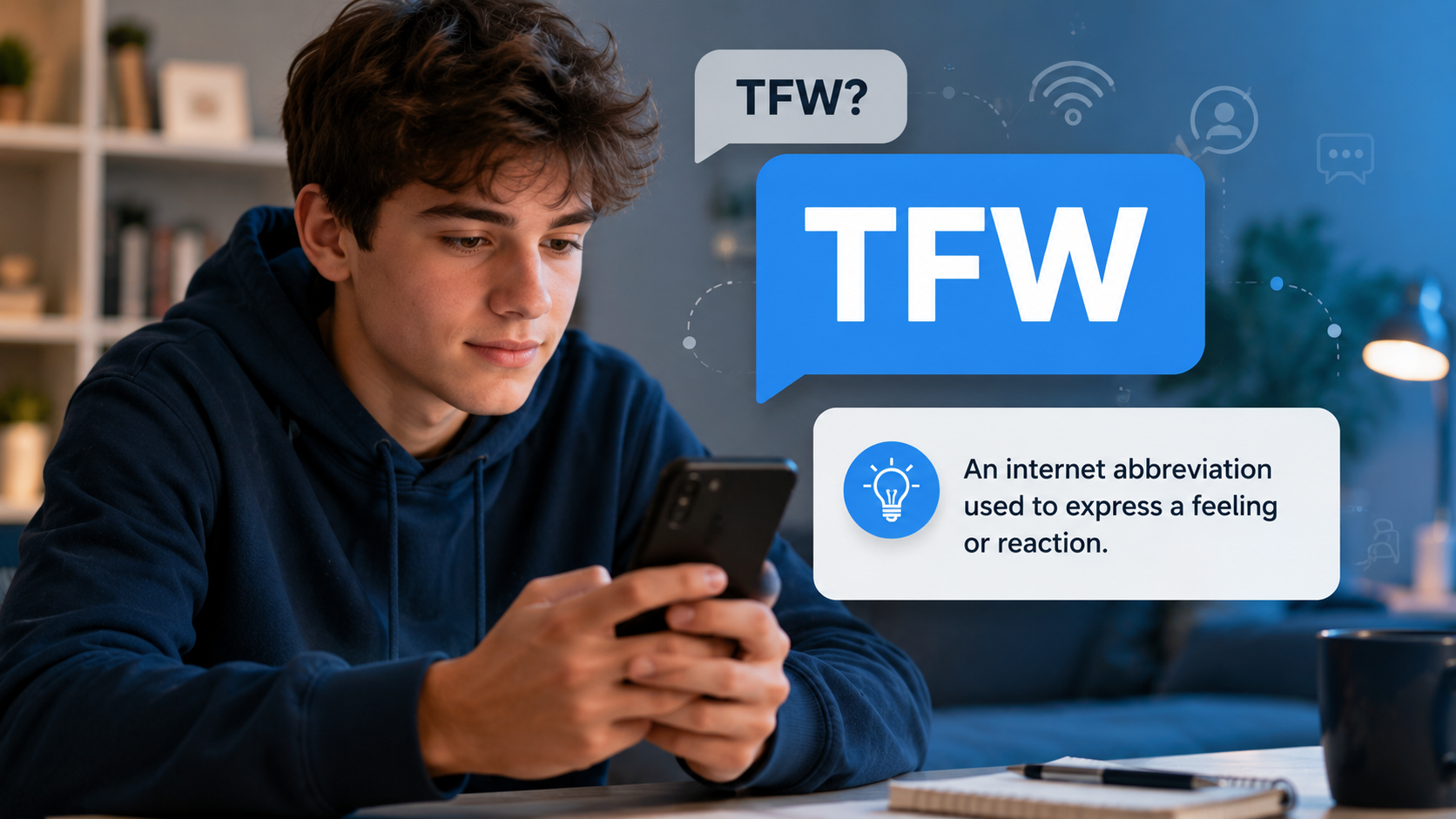
Scroll through Reddit, Twitter, or a group chat long enough and you’ll run into “TFW” attached to a photo, a short phrase, or a reaction. If you weren’t around when the term started spreading, it can look like a typo or a random string of letters. It isn’t. TFW meaning has a specific, consistent use across almost every platform where it shows up.
This guide breaks down exactly what TFW stands for, how it’s used in real conversations, and where it fits among similar internet abbreviations so you’re not left guessing next time you see it.
Direct Answer
TFW Meaning stands for “that feeling when.” People use it to introduce a relatable moment, usually followed by a short description or an image that captures a specific emotion or situation. It’s common in memes, texts, and social media captions, where it sets up a shared experience readers immediately recognize, such as “TFW you finally finish a project” or “TFW your alarm doesn’t go off.”
Where TFW Comes From
TFW grew out of early internet meme culture, particularly forums and image-board communities where users paired short captions with reaction images. The phrase “that feeling when” fit naturally into meme formats because it let people describe an emotional moment without writing a full sentence.
Over time, the abbreviation spread from niche forums into mainstream social media. Twitter, Instagram, and Reddit all picked it up as shorthand for framing relatable, often humorous situations, and it eventually became common enough that most casual internet users recognize it on sight.
How TFW Is Used in Practice
TFW almost always comes at the start of a sentence or caption, followed by a specific situation. The structure works like a setup line: TFW plus a scenario equals an instantly understandable emotional beat.
Example 1: “TFW you remember an embarrassing thing you did five years ago.”
Example 2: “TFW the Wi-Fi goes out during a video call.”
Example 3: “TFW you finally get a text back after hours of waiting.”
In each case, the phrase does the same job: it signals “here’s a feeling you probably know,” then delivers the specific moment that triggers it.
TFW With Images and Memes
TFW is especially common paired with images. A meme might show a facial expression, a reaction GIF, or a screenshot, with “TFW” as the caption leading into a short phrase describing the moment. This format works because the image carries the emotional tone, while the text supplies the specific context.
This pairing is part of why TFW spread so widely. It’s a flexible template — it works for genuine, relatable feelings and for exaggerated, ironic ones just as easily.
TFW vs. Similar Abbreviations
TFW isn’t the only phrase built around this pattern. A few related terms show up in similar contexts:
- MFW – “my face when,” typically used right before an image showing a reaction
- MRW – “my reaction when,” functionally similar to MFW
- TFW – “that feeling when,” which can apply more broadly to described feelings, not just facial expressions
The difference is subtle. MFW and MRW tend to point directly at a face or reaction image, while TFW can describe a feeling more generally, even without a picture attached.
Common Mistakes People Make
Mistake 1: Assuming TFW only works with images. While it’s common in image-based memes, TFW works fine as plain text in captions, tweets, or texts without any picture at all.
Mistake 2: Confusing TFW with other similar-looking abbreviations. Because TFW, MFW, and MRW look alike and get used in similar contexts, people sometimes swap them without noticing the small difference in meaning.
Mistake 3: Using TFW in formal writing. TFW is casual internet slang. It fits naturally in texts, memes, and social captions, but it reads as out of place in professional emails, reports, or formal writing.
Real-World Examples
Text message between friends: “TFW you order food and the delivery app says it’s 2 minutes away for 20 minutes straight.”
Social media caption under a photo: “TFW the weekend is finally here.”
Reddit comment reacting to a relatable post: “TFW you realize you’ve been overthinking something for no reason.”
Each example follows the same basic pattern: a short setup phrase, followed by a specific, recognizable situation.
Key Facts
- TFW stands for “that feeling when.”
- It originated in early internet meme and forum culture before spreading to mainstream platforms.
- It’s typically followed by a short, relatable scenario.
- It works with or without an accompanying image.
- Similar abbreviations include MFW (“my face when”) and MRW (“my reaction when”).
- It’s considered casual internet slang, not appropriate for formal writing.
Frequently Asked Questions
What does TFW mean in texting?
TFW means “that feeling when.” It’s used to introduce a relatable moment or emotion, often followed by a specific scenario.
Is TFW the same as MFW?
They’re closely related but not identical. MFW (“my face when”) usually points to a facial expression or reaction image, while TFW can describe a feeling more broadly, with or without a picture.
Where did TFW originate?
It came out of early internet meme culture and forum communities, where short captions paired with reaction images became a popular format.
Can TFW be used without an image?
Yes. TFW works as plain text in captions, texts, or comments, even without any accompanying picture.
Is TFW appropriate for professional communication?
No. It’s casual internet slang best suited for texts, social media, and informal conversations rather than formal or professional writing.
Does TFW always mean something positive?
Not necessarily. TFW can introduce positive, negative, awkward, or purely relatable feelings — the phrase itself is neutral, and the tone depends on what follows it.
Key Takeaways
- TFW stands for “that feeling when” and is used to set up a relatable moment or emotion.
- It’s most common in memes, texts, and social media captions.
- It can appear with or without an image, unlike closely related terms like MFW.
- The phrase is casual slang and doesn’t fit formal writing contexts.
- Its meaning stays consistent across platforms, even as the specific examples used with it change.
Summary
TFW meaning comes down to a simple idea: it’s shorthand for introducing a feeling most people recognize. Whether it’s paired with a meme image or used as plain text, the phrase “that feeling when” gives people an easy way to describe a shared emotional moment without spelling out a full sentence every time.

Why People Look Up Gina Carano’s Filmography
Gina Carano built an unusual career path — from professional fighter to action-movie star to one of the most talked-about names connected to “The Mandalorian.” People searching for Gina Carano movies and TV shows are usually trying to do one of a few things: find her full body of work, understand how her acting career started, or get context on her more recent projects after her run on Disney’s Star Wars series ended.
This guide covers her filmography in order, explains how her MMA background shaped her acting roles, and answers the most common questions people have about her career.
Direct Answer
Gina Carano is an American actress best known for “Haywire” (2011), “Fast & Furious 6” (2013), “Deadpool” (2016), and her role as Cara Dune in Disney+’s “The Mandalorian” (2019–2020). A former professional MMA fighter, she transitioned into acting in the early 2010s and has since appeared in action films including “Extraction,” “Heist,” “Kickboxer: Vengeance,” and “Scorched Earth,” along with the 2022 film “My Son Hunter.”
From MMA Fighter to Actress
Before any of her movies or TV shows, Gina Carano was a professional mixed martial artist. Born in Dallas, Texas, she trained in Muay Thai before moving into competitive MMA, fighting in organizations like EliteXC and Strikeforce. She became known as one of the sport’s biggest early stars, especially after a high-profile 2009 bout against Cristiane “Cyborg” Santos, one of the first major MMA events headlined by two women.
That athletic background is part of why her film career leaned so heavily into action roles. Directors cast her in physical parts that used her real fighting skill, rather than relying entirely on stunt doubles or special effects for combat scenes.
Gina Carano’s Breakout Film Role: Haywire (2011)
Her first major movie was “Haywire,” a 2011 action thriller directed by Steven Soderbergh. Carano played Mallory Kane, a black ops operative seeking revenge after being betrayed during a mission. The role was built specifically around her fighting background, with much of the film’s appeal coming from Carano performing real combat sequences rather than heavily stylized fight choreography.
This film established the template for a lot of her later casting: physically demanding action roles where her martial arts training gave the fight scenes a grounded, realistic feel.
Major Films in Her Career
Fast & Furious 6 (2013)
Carano joined the “Fast & Furious” franchise as Riley Hicks, a Diplomatic Security Service agent who works alongside Dwayne Johnson’s character. The film was one of her biggest mainstream credits, putting her in front of a massive global audience.
Deadpool (2016)
Carano played Angel Dust, a physically enhanced antagonist, in the Ryan Reynolds-led Marvel film “Deadpool.” The movie became a major commercial hit, grossing hundreds of millions of dollars worldwide, and gave Carano one of her most widely seen roles.
Other Action Films
Her filmography also includes several lower-budget action and thriller titles that leaned on her physical presence:
- In the Blood (2014) – Carano plays a woman searching for her husband after he disappears during a Caribbean vacation.
- Heist (2015) – An ensemble crime thriller co-starring Robert De Niro and Dave Bautista.
- Extraction (2015) – An action film centered on a kidnapped CIA operative.
- Kickboxer: Vengeance (2016) – A martial arts film tied to the long-running “Kickboxer” franchise.
- Scorched Earth (2018) – A post-apocalyptic action film where Carano plays a bounty hunter.
- Daughter of the Wolf (2019) – An action film co-starring Richard Dreyfuss.
- Madness in the Method (2019) – A dark comedy featuring Jason Mewes and Kevin Smith.
The Mandalorian and Cara Dune
Carano’s most widely recognized TV role came in 2019, when she was cast as Cara Dune, a former Rebel Shock Trooper, in Disney+’s “The Mandalorian.” The show became one of the streaming service’s flagship series, and Carano’s role made her a recognizable face to a much broader audience than her earlier film work had reached.
She appeared in the first two seasons of the show. In February 2021, Lucasfilm announced she would no longer be part of the project, citing social media posts the company described as unacceptable, including a post comparing the political divide in the United States to conditions in Nazi Germany. Her character was subsequently written out of the series.
The Disney Lawsuit and Settlement
Carano filed a wrongful termination and discrimination lawsuit against Disney and Lucasfilm in February 2024, arguing she was let go for expressing conservative political views while male co-stars faced no similar consequences for their own political statements. The lawsuit, which drew financial backing from Elon Musk, moved through discovery and pretrial proceedings before both sides reached a confidential settlement in August 2025, just ahead of a scheduled trial date.
Neither side disclosed settlement terms. In a public statement, Carano said she believed the agreement was “the best outcome for all parties involved,” while Lucasfilm said it looked forward to “identifying opportunities to work together with Ms. Carano in the near future.” No reprisal of the Cara Dune role has been confirmed since the settlement.
Career After The Mandalorian
Carano’s acting work continued even during her legal dispute with Disney. She starred in “Terror on the Prairie” (2022), a Western, and appeared in “My Son Hunter” (2022), a film centered on Hunter Biden that was produced independently of major studios. Following the Disney settlement, she was announced for a new television series called “Logan Reign,” in which she plays a woman who works as a legal assistant by day and a vigilante crime fighter otherwise, set in Las Vegas.
Common Misconceptions About Her Career
Misconception: She only appears in Star Wars content. “The Mandalorian” is her most famous credit, but her filmography spans over a decade of action films that came both before and after that role.
Misconception: Her acting career ended after leaving The Mandalorian. She continued working steadily after her 2021 departure from the show, including film roles and, later, new television projects.
Misconception: The Disney lawsuit determined who was right or wrong. The case settled before trial, meaning no court ruled on the merits of either side’s claims. A settlement resolves a dispute privately; it doesn’t establish a legal finding of fault.
Key Facts
- Gina Carano transitioned from professional MMA fighting to acting in the early 2010s.
- Her breakout film role was “Haywire” (2011), directed by Steven Soderbergh.
- She appeared in “Fast & Furious 6” (2013) and “Deadpool” (2016), two of her highest-profile film credits.
- She played Cara Dune in the first two seasons of “The Mandalorian” (2019–2020) before her departure from the show in 2021.
- She sued Disney and Lucasfilm in 2024; the case settled confidentially in August 2025.
- She has continued acting since 2021, including the film “My Son Hunter” and the upcoming series “Logan Reign.”
Frequently Asked Questions
What is Gina Carano best known for?
She’s most widely known for playing Cara Dune in “The Mandalorian,” along with film roles in “Deadpool,” “Fast & Furious 6,” and “Haywire.”
Was Gina Carano a real fighter before acting?
Yes. She competed professionally in mixed martial arts, fighting in organizations including EliteXC and Strikeforce, before shifting to a full-time acting career.
Why did Gina Carano leave The Mandalorian?
Lucasfilm ended her role in February 2021, citing social media posts the company considered unacceptable. Carano later filed a lawsuit disputing the reasoning behind her termination.
Did Gina Carano win her lawsuit against Disney?
The case didn’t go to trial. Both sides reached a confidential settlement in August 2025, so no court ruling determined the outcome.
What has Gina Carano done since leaving The Mandalorian?
She’s appeared in films including “Terror on the Prairie” and “My Son Hunter,” and has been announced for a new television series called “Logan Reign.”
Is Gina Carano returning to Star Wars?
As of the Disney settlement, no specific project bringing her back to the Star Wars franchise has been confirmed.
Key Takeaways
- Gina Carano’s acting career began after a professional MMA career, starting with her lead role in “Haywire” (2011).
- Her filmography includes major studio films like “Deadpool” and “Fast & Furious 6,” along with a run of independent action titles.
- She’s best known for playing Cara Dune in “The Mandalorian” before her departure from the show in 2021.
- Her wrongful termination lawsuit against Disney and Lucasfilm settled privately in August 2025.
- She has continued acting steadily, with new film and TV projects following the settlement.
Summary
Gina Carano’s filmography reflects a career built on physical, action-driven roles, shaped early on by her background as a professional fighter. From “Haywire” to “Deadpool” to her run on “The Mandalorian,” her movies and TV shows trace a path from niche action films to mainstream visibility, followed by a high-profile legal dispute and a continued return to acting work in the years since.
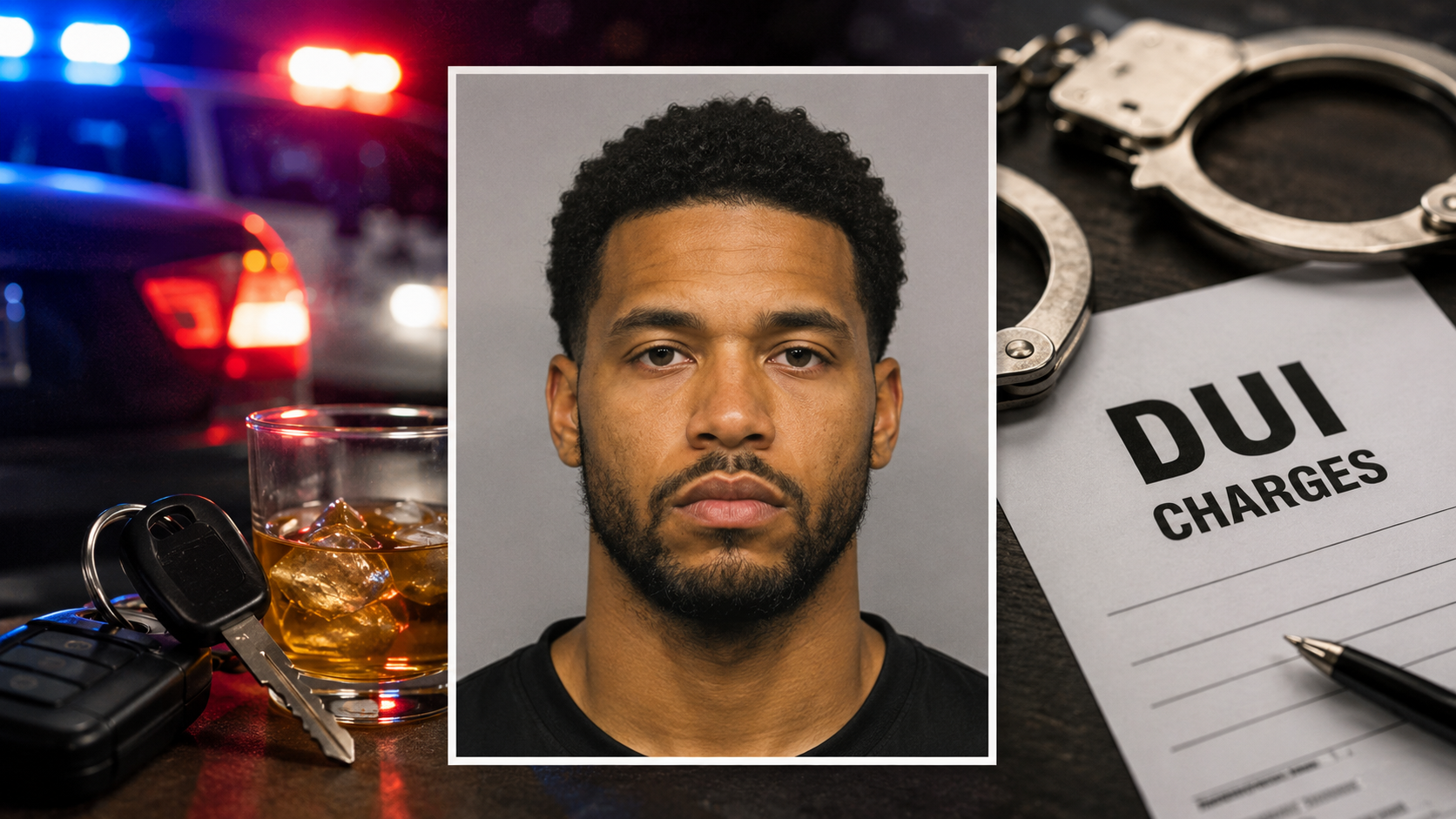
Meta Description: Trevor Walker was arrested in Florida on felony DUI charges in March 2026. Here’s what happened, the charges he faces, and his response.
Introduction
Reality TV names tend to resurface for reasons that have nothing to do with the shows that made them famous, and that’s exactly what happened when news broke that former “Below Deck” cast member Trevor Walker was arrested in Florida on felony DUI charges. For people who remember him from his brief, chaotic run on Bravo’s yachting series, the headline probably wasn’t a total shock. For everyone else searching for details, the story raises real questions: What exactly happened? What charges does he face? And what happens next?
This article walks through the confirmed facts of the arrest, the legal terms involved, Walker’s own response to the allegations, and the broader context of his prior run-ins with the law.
Direct Answer: What Happened With Trevor Walker’s Arrest?
Trevor Walker, a former cast member of Bravo’s “Below Deck,” was arrested by the Escambia County Sheriff’s Office in Florida in the early morning hours of March 30, 2026. He was booked on four counts, including felony DUI, driving on a suspended license, a moving traffic violation, and a separate misdemeanor theft charge. Walker was released the next day and denies the DUI allegation, saying he intends to fight the charge in court.
Who Is Trevor Walker?
Trevor Walker appeared on season four of “Below Deck,” the Bravo reality series that follows crew members living and working aboard luxury superyachts during charter season. He joined the show as a senior deckhand, but his time on board was short and rocky. He clashed repeatedly with co-star Kelley Johnson, who ended up demoting him, and Captain Lee Rosbach fired him after just a handful of episodes.
Rosbach didn’t hold back when explaining the decision at the time, saying there wasn’t “enough room on that boat for anybody with an ego that size.” That blunt exit, paired with his behavior on camera, is a big part of why Walker is still remembered as one of the show’s most notorious cast members nearly a decade after his brief appearance aired.
Before joining “Below Deck,” Walker had worked as a professional sport fisher and competed as an amateur surfer, according to his original Bravo bio.
The Details of the March 2026 Arrest
According to the Escambia County Sheriff’s Office, Walker was taken into custody around 2:30 a.m. on Monday, March 30, 2026. He faced four separate counts:
- Felony DUI — the most serious of the charges
- Driving on a suspended license
- A moving traffic violation
- Misdemeanor theft, listed as a separate charge unrelated to the DUI stop
He was released the following morning, on March 31, and was given a court date scheduled for late April 2026.
Why the DUI Charge Was Filed as a Felony
A DUI charge typically becomes a felony rather than a misdemeanor when a driver has prior DUI convictions, when the incident involves serious injury, or under certain other aggravating circumstances defined by state law. In Walker’s case, the felony classification is connected to the fact that this was reportedly his second DUI arrest, following a 2024 misdemeanor DUI for which he was found guilty and later completed probation.
Florida law, like many states, escalates penalties for repeat DUI offenses. A first DUI is usually charged as a misdemeanor, but subsequent offenses, especially within a certain time window or combined with other factors like driving on a suspended license, can be elevated to a felony. This distinction matters because felony convictions carry significantly harsher potential penalties than misdemeanors, including longer jail time, larger fines, and a lasting mark on someone’s criminal record.
Trevor Walker’s Response to the Charges
Walker has publicly denied the DUI allegation and says he plans to contest it in court. Speaking to the New York Post, he described the encounter with police as unwarranted, saying he was not under the influence and questioned the accuracy of the breathalyzer equipment used during his arrest.
He offered an account of his movements that night, explaining that he had fallen asleep at a friend’s house while watching a movie, woke up around 1 a.m., and was driving because he needed to prepare for an early work shift. According to Walker, his job requires him to be up by 3:30 a.m. for a workout before heading to work.
It’s worth being clear here: an arrest and formal charges are not the same as a conviction. Under the American legal system, anyone charged with a crime is presumed innocent unless and until a court finds otherwise. Walker’s public statements represent his side of the story, and the outcome of his case will depend on what happens in court.
Walker’s Prior Legal History
This wasn’t Walker’s first encounter with law enforcement in Escambia County. A few months before the felony DUI arrest, he was booked on a larceny charge. When asked about it, Walker told the New York Post that the matter had already been resolved, stating that he went to court and that the state ultimately did not press charges.
He was also arrested in 2024 for a misdemeanor DUI. Court records show he was found guilty and sentenced in May of that year, with his probation terminated in February 2025. That earlier case is the reason the 2026 arrest was classified as a felony rather than a repeat misdemeanor.
Common Misconceptions About DUI Arrests Like This One
Misconception: An arrest means guilt. An arrest reflects that police believed they had probable cause, not that guilt has been established. Charges can be reduced, dismissed, or fought at trial.
Misconception: A felony DUI charge always means someone was seriously hurt. While felony DUI charges often involve injury or property damage, they can also result from repeat offenses or specific aggravating factors, such as a suspended license, without anyone being physically harmed.
Misconception: Breathalyzer results are infallible. Breath-test equipment requires regular calibration, and defense attorneys frequently challenge results based on maintenance records, operator error, or medical conditions that can affect readings. Walker’s comments about not trusting the calibration reflect an argument that’s common in DUI defense cases generally.
Misconception: All the charges from one arrest are connected. In Walker’s case, the misdemeanor theft charge was reported as separate from the DUI-related counts, meaning it likely stemmed from a different incident or allegation rather than the same traffic stop.
What Happens Next in a Case Like This
For readers unfamiliar with how DUI cases typically proceed after an arrest, here’s a general outline of the process, though specifics can vary by state and county:
- Arrest and booking — The individual is taken into custody, processed, and often released after posting bond or on their own recognizance.
- Arraignment — The defendant appears in court to hear the formal charges and enter a plea.
- Pretrial proceedings — Both sides may exchange evidence, file motions, or negotiate a possible plea deal.
- Trial or plea resolution — The case is either resolved through a plea agreement or goes to trial, where a judge or jury determines the outcome.
- Sentencing — If convicted, sentencing follows, with penalties varying based on the severity of the charge and any prior record.
Walker’s scheduled court date in late April 2026 would typically correspond to an arraignment or early pretrial hearing rather than a trial itself, since DUI cases often take months to fully resolve.
Key Facts
- Trevor Walker was arrested by the Escambia County Sheriff’s Office on March 30, 2026.
- He faces four charges: felony DUI, driving on a suspended license, a moving traffic violation, and misdemeanor theft.
- He was released the following day and had a court date scheduled for late April 2026.
- This was reportedly his second DUI arrest, following a 2024 misdemeanor DUI conviction.
- He was also booked for larceny roughly two months before the 2026 DUI arrest, a matter he says was resolved without charges being pressed.
- Walker denies the DUI allegation and says he intends to fight the charge in court.
- He appeared on season four of “Below Deck” before being fired by Captain Lee Rosbach.
Frequently Asked Questions
Who is Trevor Walker?
Trevor Walker is a reality TV personality best known for a brief, controversial appearance on season four of Bravo’s “Below Deck,” where he was fired by the captain after clashing with crewmates.
What charges does Trevor Walker face?
He faces four charges from the March 2026 arrest: felony DUI, driving on a suspended license, a moving traffic violation, and a separate misdemeanor theft charge.
Was Trevor Walker convicted of DUI?
As of the arrest, Walker had not been convicted of the 2026 felony DUI charge. He has publicly denied the allegation and stated he plans to contest it in court. He was, however, previously found guilty of a misdemeanor DUI in 2024.
Why was the 2026 DUI charge a felony instead of a misdemeanor?
DUI charges are often elevated to felonies for repeat offenders. Because Walker had a prior DUI conviction from 2024, the new charge was filed as a felony rather than a misdemeanor.
Is this Trevor Walker’s first arrest?
No. Besides the 2026 felony DUI arrest, he was previously arrested for a misdemeanor DUI in 2024 and was booked for larceny a few months before the 2026 incident.
What did Trevor Walker say about the arrest?
Walker denied being under the influence, questioned the reliability of the breathalyzer used during his arrest, and explained he was driving after waking up late at a friend’s house, ahead of an early work shift.
Key Takeaways
- Trevor Walker, a former “Below Deck” cast member, was arrested in Florida on felony DUI charges on March 30, 2026.
- The arrest included three additional charges: driving on a suspended license, a moving traffic violation, and misdemeanor theft.
- Walker denies the DUI charge and says he plans to fight it in court.
- The felony classification stems from a prior 2024 misdemeanor DUI conviction.
- An arrest and formal charges do not equal a conviction; the case’s outcome depends on the ongoing legal process.
Conclusion
The story of Trevor Walker’s felony DUI arrest in Florida combines a familiar reality TV name with a serious legal situation that’s still working its way through the courts. What’s confirmed is straightforward: he was arrested by the Escambia County Sheriff’s Office, charged with four offenses, released the next day, and is contesting the DUI allegation. What isn’t yet settled is how the case will resolve, since Walker maintains his innocence and the matter remains before the court. As with any pending criminal case, the full picture will only become clear once the legal process runs its course.


TFW Meaning: What This Internet Abbreviation Really Means

Gina Carano Movies and TV Shows: A Complete Look at Her Acting Career

CNN Anchor Rahel Solomon Departure: What Happened and Why

USA Today Comics: What They Are, How to Read Them, and Why They Still Matter

Venezuela Ladies: Understanding Venezuelan Women, Their Culture, and What to Know Before Connecting With Them

Trump D.C.: What’s Happening With the President’s Washington Policies
-
 Travel1 month ago
USA Today Comics: What They Are, How to Read Them, and Why They Still Matter
-
 Lifestyle1 month ago
Venezuela Ladies: Understanding Venezuelan Women, Their Culture, and What to Know Before Connecting With Them
-
 Business1 month ago
Trump D.C.: What’s Happening With the President’s Washington Policies
-
 News4 weeks ago
White House CBS Legal Warning: What Happened With the Trump Interview Dispute
-

 Lifestyle4 weeks ago
Red Wings Trade Rumors: What’s Happening With Detroit’s Roster Right Now
-

 Lifestyle4 weeks ago
NYT Strands Archive: How to Find and Play Past Strands Puzzles
-

 News1 month ago
Why Is Grammy Awards Trending? Here’s What’s Behind the Buzz
-

 News2 months ago
Mike Leach: The Coach Who Changed College Football Forever