Fashion
Best Natural Deodorants: What to Look For and How They Actually Work

Direct Answer
The best natural deodorants are ones that use plant-based or mineral ingredients, like baking soda, arrowroot, or magnesium, to neutralize odor without synthetic fragrances or aluminum compounds. There isn’t one universal “best” option, since effectiveness depends on individual body chemistry, skin sensitivity, and how much sweat control someone needs. Instead, the best choice is the one that matches your skin type and odor-control needs after some trial and adjustment.
Why People Search for “Best Natural Deodorants”
Most people looking for natural deodorants are trying to avoid specific ingredients, usually aluminum compounds, parabens, or synthetic fragrances, often due to skin sensitivity, personal preference, or general interest in simpler ingredient lists. Others have tried a natural deodorant before and had a rough experience, like irritation or an adjustment period with more noticeable odor, and want to understand why that happens before trying again. This guide explains what “natural” actually means in this context, how these products work differently from conventional antiperspirants, and what to consider before switching.
What Makes a Deodorant “Natural”?
The term “natural” isn’t strictly regulated in the personal care industry, so it can mean different things depending on the brand. Generally, a natural deodorant relies on:
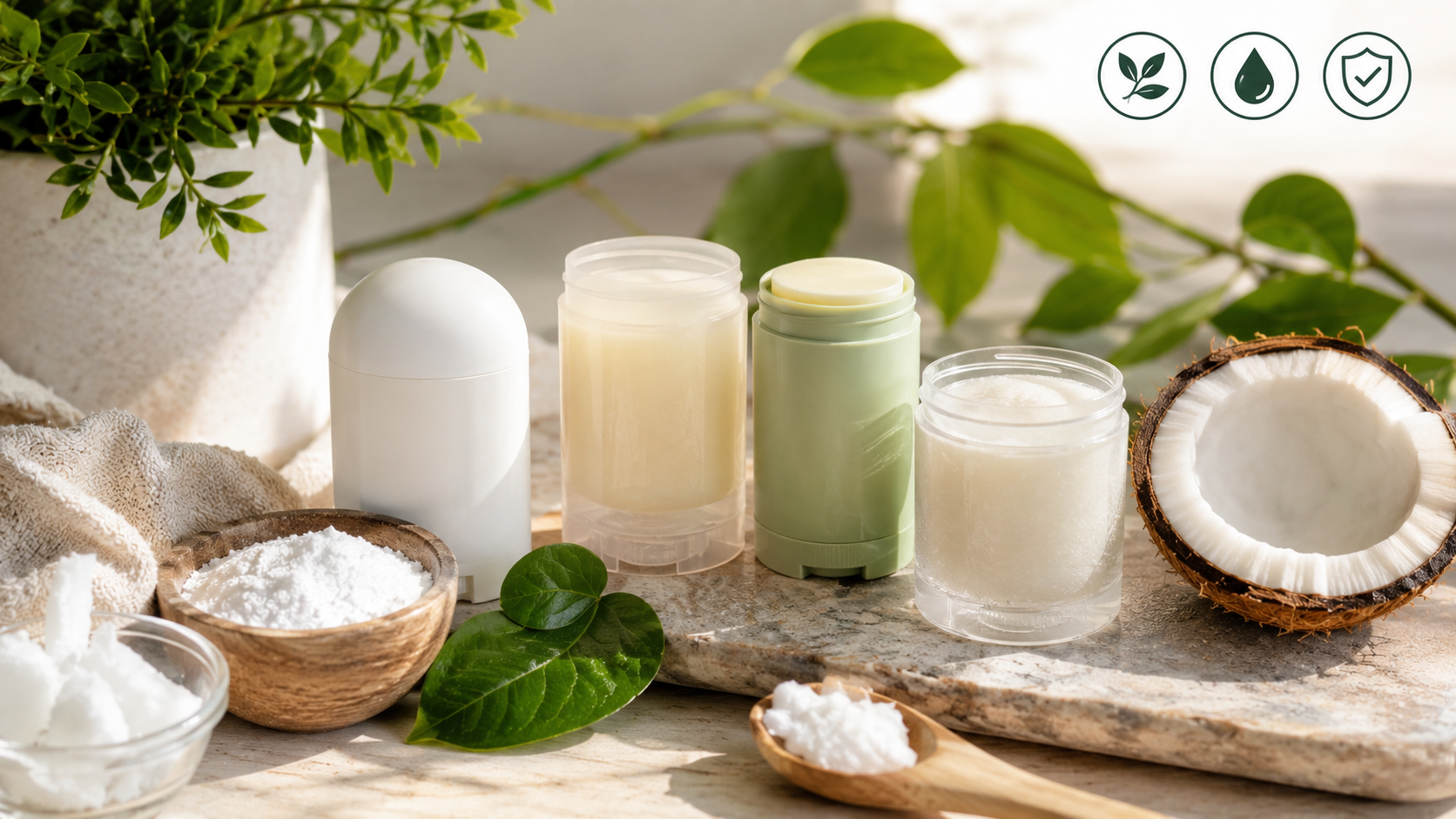
- Odor-neutralizing minerals or powders, such as baking soda (sodium bicarbonate), arrowroot powder, or magnesium hydroxide, which absorb moisture and reduce the bacteria that cause odor.
- Plant-based oils and extracts, like coconut oil or shea butter, used as a base and for mild antibacterial properties.
- Essential oils for scent, instead of synthetic fragrance compounds.
- The absence of aluminum compounds, which is the ingredient most associated with the “natural vs. conventional” distinction.
It’s worth understanding the difference between a deodorant and an antiperspirant here, since the two terms get used interchangeably but aren’t the same thing.
Deodorant vs. Antiperspirant: The Key Difference
A deodorant targets odor. It doesn’t stop sweating; it works by neutralizing the bacteria on the skin that interact with sweat to create smell, or by masking odor with fragrance.
An antiperspirant targets sweat itself, typically using aluminum-based compounds that temporarily block sweat glands to reduce moisture.
Most natural deodorants are deodorants, not antiperspirants. This distinction matters because it explains one of the most common frustrations people report when switching: a natural deodorant may control odor effectively without reducing how much someone actually sweats, since that’s simply not what it’s designed to do.
How Natural Deodorants Work
Natural deodorants generally rely on a few core mechanisms:
- Absorbing moisture. Ingredients like arrowroot powder or cornstarch soak up sweat on the surface of the skin, which can reduce the damp feeling even without blocking sweat glands.
- Reducing bacterial growth. Odor comes from bacteria breaking down compounds in sweat, not sweat itself. Ingredients like baking soda and certain essential oils create an environment less favorable to that bacterial activity.
- Masking scent. Essential oils and plant extracts provide fragrance, similar to how synthetic fragrance works in conventional products, just from different sources.
Because these mechanisms differ from how antiperspirants work, the results can feel different, especially in the first few weeks of use.
Why the Switch to Natural Deodorant Matters for Some People
The reasons people choose natural deodorants tend to fall into a few categories:
- Skin sensitivity or irritation. Some people react to aluminum compounds or synthetic fragrances with rashes, itching, or bumps, and switching to a simpler ingredient list can reduce that irritation.
- Ingredient preference. Some people simply prefer products with shorter, more recognizable ingredient lists, independent of any specific health concern.
- Personal comfort with sweating. Since natural deodorants don’t block sweat glands, some people prefer this approach because it allows the body to sweat normally, which is a natural cooling mechanism.
Benefits of Natural Deodorants
- Fewer synthetic ingredients, which can matter for people managing skin sensitivities.
- No blocked sweat glands, allowing the body’s normal cooling process to continue.
- Often free of certain preservatives, like parabens, that some people prefer to avoid.
- Wide range of scent options using essential oils instead of synthetic fragrance.
Limitations and Considerations
- Adjustment period. Many people experience a transition period after switching from an antiperspirant, sometimes lasting a few weeks, as sweat glands that were previously blocked return to normal function.
- Less sweat control. Since natural deodorants don’t reduce sweat production, they may not be a good fit for people who specifically need reduced moisture, such as during high-intensity exercise or hot climates.
- Ingredient sensitivity. Baking soda, one of the most common natural deodorant ingredients, can cause irritation or a rash in some people, particularly with repeated use on sensitive skin.
- Reapplication may be needed. Because natural deodorants primarily manage odor rather than sweat, some people find they need to reapply during the day for longer-lasting effectiveness.
- “Natural” isn’t a regulated term. Since there’s no strict legal definition, it’s worth checking the ingredient list directly rather than relying on marketing language alone.
Natural Deodorant vs. Conventional Antiperspirant
| Feature | Natural Deodorant | Conventional Antiperspirant |
| Targets sweat | No | Yes |
| Targets odor | Yes | Yes (secondary effect) |
| Common active ingredients | Baking soda, arrowroot, magnesium | Aluminum compounds |
| Adjustment period | Often present | Rare |
| Best for | Odor control, ingredient preference | Sweat and odor control |
Who Should Consider a Natural Deodorant
- People with skin sensitivity to aluminum or synthetic fragrance.
- Anyone specifically trying to reduce synthetic ingredients in their personal care routine.
- People who are comfortable with normal sweating and mainly want odor control.
- Those willing to go through a short adjustment period after switching from an antiperspirant.
It may be less suitable for people who rely heavily on sweat reduction, such as for medical reasons or high-intensity daily activity, since natural deodorants aren’t designed to address that need the way an antiperspirant is.
Step-by-Step: How to Switch to a Natural Deodorant
- Check the ingredient list, not just the word “natural” on the packaging, to understand exactly what you’re using.
- Expect an adjustment period. Give it two to four weeks before judging effectiveness, since your body may need time to adapt after using an antiperspirant.
- Apply to clean, dry skin. Natural deodorants tend to work best when applied right after showering, rather than over existing sweat or product residue.
- Watch for irritation. If redness, itching, or a rash develops, especially with baking soda-based formulas, consider switching to a baking-soda-free option.
- Reapply if needed. Since these products don’t block sweat, a midday reapplication can help maintain odor control on more active days.
- Adjust based on activity level. On especially active or hot days, you may need a stronger formula or more frequent application compared to a typical day.
Common Mistakes and Misconceptions
- Assuming “natural” means better for everyone. Ingredient sensitivity varies by person, and natural ingredients like baking soda can still cause irritation.
- Expecting the same sweat control as an antiperspirant. Since natural deodorants don’t block sweat glands, comparing sweat levels directly to a conventional antiperspirant misses how the product is designed to work.
- Giving up too quickly. The adjustment period after switching can create a temporary increase in odor or sweat as the body recalibrates, which sometimes gets mistaken for the product simply not working.
- Ignoring the full ingredient list. Marketing terms like “natural” or “clean” aren’t standardized, so two products labeled this way can have very different ingredients.
Real-World Examples
Someone with a history of skin irritation from conventional antiperspirants might switch to a natural deodorant specifically to avoid aluminum compounds, and notice reduced redness within a few weeks, even if they need to reapply once during a long workday.
An athlete used to a strong antiperspirant might try a natural deodorant and initially notice more sweat during workouts, since the product isn’t designed to block sweat glands, leading them to either adjust expectations or return to an antiperspirant for high-intensity activity.
A person simply looking to simplify their personal care ingredients might switch to a natural deodorant with a short ingredient list, without any specific skin issue, purely as a preference-based change.
Key Facts
- Natural deodorants target odor, not sweat, unlike conventional antiperspirants.
- Common natural ingredients include baking soda, arrowroot powder, and magnesium hydroxide.
- The term “natural” isn’t strictly regulated, so ingredient lists vary by brand.
- An adjustment period of two to four weeks is common after switching from an antiperspirant.
- Baking soda-based formulas can cause skin irritation in some people.
Frequently Asked Questions
What are the best natural deodorants?
There’s no single best option, since effectiveness depends on individual skin sensitivity and odor-control needs. The most effective natural deodorant for any one person is typically found through checking ingredient lists and testing a formula for a few weeks.
How do natural deodorants work?
They neutralize odor-causing bacteria and absorb moisture using ingredients like baking soda or arrowroot powder, rather than blocking sweat glands the way conventional antiperspirants do.
Why do natural deodorants sometimes feel less effective at first?
After switching from an antiperspirant, sweat glands that were previously blocked can take a few weeks to return to normal function, which can temporarily increase how noticeable sweat and odor feel.
Are natural deodorants safe?
For most people, yes, though ingredients like baking soda can cause irritation in those with sensitive skin. Checking the ingredient list and testing on a small area first can help identify sensitivities early.
Do natural deodorants stop sweating? No. Natural deodorants are designed to manage odor, not reduce sweat production, which is the key difference between a deodorant and an antiperspirant.
What are the alternatives to natural deodorant? Conventional antiperspirants, aluminum-free antiperspirant alternatives, and unscented mineral salt formulas are common alternatives, each offering different levels of sweat and odor control.
What should someone know before switching to a natural deodorant? It helps to expect an adjustment period, check the full ingredient list rather than relying on the word “natural,” and be prepared to test more than one formula to find the right fit for individual skin and activity level.
Key Takeaways
- Natural deodorants use plant-based or mineral ingredients to target odor, not sweat.
- The word “natural” isn’t regulated, so checking the ingredient list matters more than the label alone.
- A short adjustment period is common after switching from a conventional antiperspirant.
- Ingredient sensitivity, particularly to baking soda, varies by person.
- The right natural deodorant depends on individual skin type, activity level, and odor-control needs rather than a single universal best option.
Conclusion
Finding the best natural deodorants comes down to understanding how these products actually work and matching that to your own skin and lifestyle. Since natural deodorants manage odor rather than block sweat, and since ingredient sensitivity varies from person to person, the most useful approach is checking ingredient lists directly, expecting a short adjustment period, and testing a formula for a few weeks before deciding whether it fits.



Masgonzola: What It Is, Ingredients, Taste, Uses, and How It Differs From Gorgonzola

Neworldsmagazine: What It Is, Topics, Website, Content, and What Readers Should Know

Nidia del Carmen Ripoll Torrado: Biography, Family, Shakira Connection, and Life

Kane Brown: The Life and Career of Country Music’s Genre-Blending Star

Lionel Messi: Career, Records, and Where He Stands in 2026

Jason Beck: Detroit Tigers Beat Reporter and One of Baseball’s Most Trusted Voices
-
 Business3 months ago
Kane Brown: The Life and Career of Country Music’s Genre-Blending Star
-
 Sports3 months ago
Lionel Messi: Career, Records, and Where He Stands in 2026
-
 Lifestyle4 months ago
Jason Beck: Detroit Tigers Beat Reporter and One of Baseball’s Most Trusted Voices
-

 Sports3 months ago
Gordon Ramsay’s Brother: Everything Known About Ronnie Ramsay
-

 News3 months ago
NCIS: What the Show Is About, How It Works, and Why It’s Still On the Air
-

 News3 months ago
Amber Heard: Career, Legal History, and Where She Is Today
-

 News3 months ago
Trump Tariffs Explained: What They Are, How They Work, and What They Mean for Prices in 2026
-

 News3 months ago
Patrick Muldoon: The Life and Career of the Days of Our Lives and Starship Troopers Actor