Entertainment
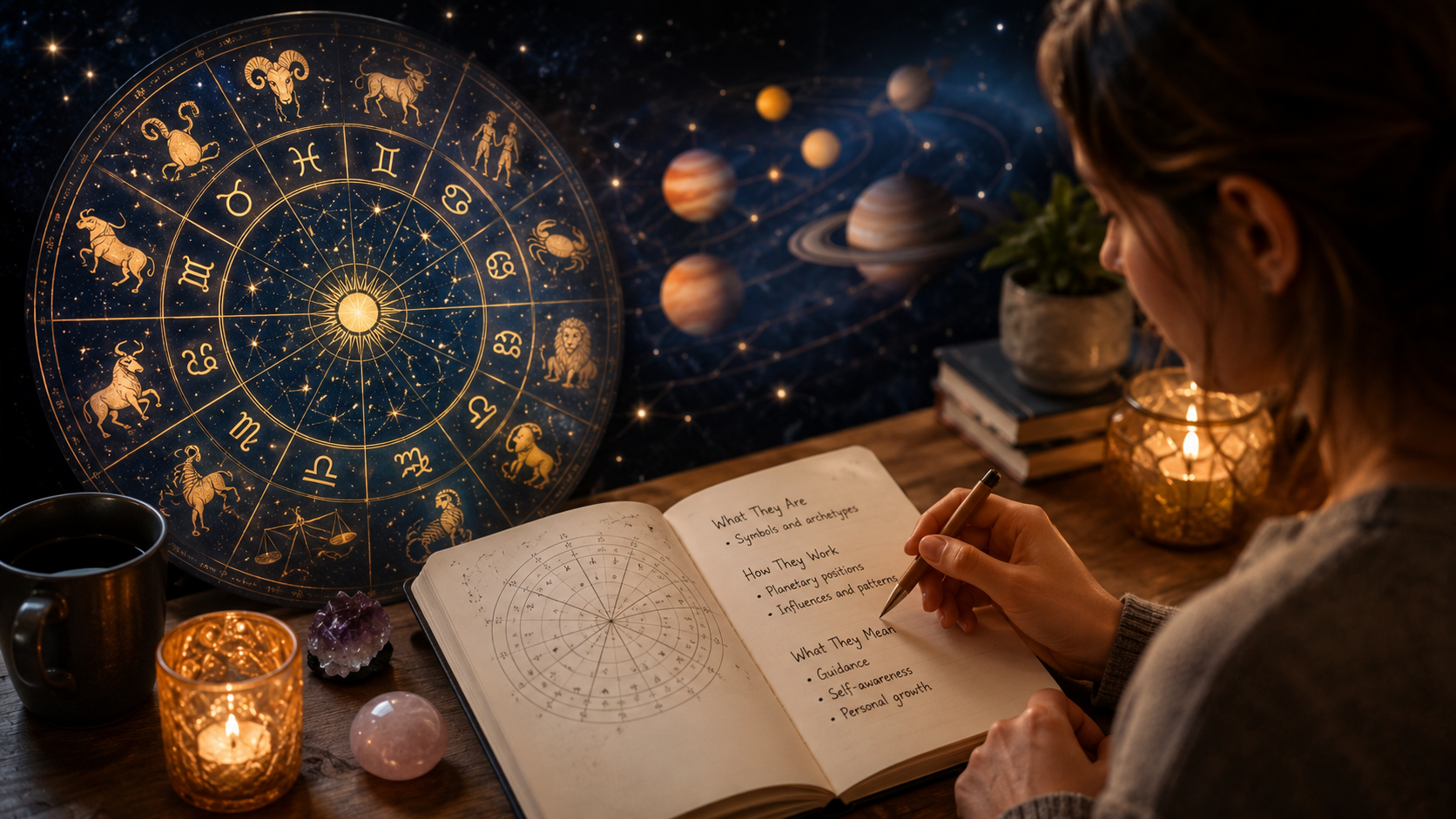
Horoscopes: What They Are, How They Work, and What They Actually Mean

Direct Answer
Horoscopes are astrological forecasts that predict a person’s mood, relationships, or daily events based on the position of the sun, moon, and planets relative to their zodiac sign. They’re rooted in astrology, a belief system with ancient origins, but they have no scientific basis. Millions of people still read them for entertainment, reflection, or a sense of guidance.
What Are Horoscopes, Exactly?
Open a newspaper’s lifestyle section, scroll through a social media app, or glance at the back page of a magazine, and there’s a good chance you’ll run into a horoscope. It’s usually a short paragraph tied to a zodiac sign, offering a prediction about your day, week, or month.
People turn to horoscopes for different reasons. Some read them the way they’d read a fortune cookie, as light entertainment with no real weight behind it. Others use them as a starting point for reflection, a nudge to think about a relationship or decision they’ve been putting off. And some readers genuinely believe the position of the planets influences their lives in a measurable way.
This article breaks down where horoscopes come from, how they’re actually written, what the twelve zodiac signs mean, and what the evidence says about whether any of it holds up.
The Difference Between Horoscopes and Astrology
These two words get used interchangeably, but they’re not quite the same thing.
Astrology is the broader belief system — the idea that the positions of celestial bodies at a specific time and place can be linked to personality traits, events, or life patterns. It has branches, methods, and centuries of accumulated tradition.
A horoscope is a specific product of astrology: a chart or written forecast based on the positions of the sun, moon, and planets at a given moment, usually your birth. When people say “reading my horoscope,” they typically mean checking a daily or weekly forecast tied to their sun sign, which is the most common and simplified version of what astrologers actually do.
In other words, astrology is the system. A horoscope is one output of that system.
Where Horoscopes Came From
Astrology has roots stretching back thousands of years, with early forms developed in ancient Babylon, where priests tracked celestial movements and connected them to earthly events like harvests, floods, and the fortunes of rulers. The Babylonians developed a version of the zodiac by dividing the sky into twelve sections, each associated with a constellation.
The practice spread to ancient Greece, where astrologers refined the system and connected it more directly to individual lives rather than just kings and nations. This shift, from predicting events for entire societies to predicting outcomes for individual people, is part of what eventually led to the personal horoscope format still used today.
Astrology later spread through the Roman Empire, the Islamic world, and medieval Europe, often overlapping with early astronomy before the two fields split apart as separate pursuits during the Scientific Revolution.
How a Horoscope Is Actually Built
A full astrological chart, sometimes called a natal chart or birth chart, is more complicated than the short blurbs found in newspapers or apps. Building one involves several layers.
The Zodiac Signs
The zodiac is divided into twelve signs, each corresponding to roughly a month of the year based on the sun’s apparent position relative to Earth:
- Aries (March 21–April 19)
- Taurus (April 20–May 20)
- Gemini (May 21–June 20)
- Cancer (June 21–July 22)
- Leo (July 23–August 22)
- Virgo (August 23–September 22)
- Libra (September 23–October 22)
- Scorpio (October 23–November 21)
- Sagittarius (November 22–December 21)
- Capricorn (December 22–January 19)
- Aquarius (January 20–February 18)
- Pisces (February 19–March 20)
Your “sun sign,” which is what most daily horoscopes are based on, depends on where the sun was positioned on the day you were born.
The Birth Chart
A more detailed astrological reading also factors in your moon sign (based on the moon’s position at your birth) and your rising sign, or ascendant (based on which zodiac sign was on the eastern horizon at the exact moment and location of your birth). Professional astrologers use these three points, along with the positions of other planets, to build a natal chart that’s far more specific than a generic sun-sign horoscope.
The Houses and Planets
Beyond the signs, astrology divides the sky into twelve “houses,” each representing a different life area, such as career, relationships, or health. Planets are believed to influence different themes depending on which house and sign they occupy at a given time. This is the layer that professional astrologers use to write personalized readings, as opposed to the mass-produced daily horoscope written for an entire sign at once.
How Daily and Weekly Horoscopes Are Written
Here’s where a lot of readers are surprised: the horoscope you read in a newspaper or app isn’t calculated individually for you. It’s written for everyone born under a given sun sign, which covers roughly one-twelfth of the population.
Writers or astrologers typically track the current positions of the sun, moon, and planets, then interpret what those positions traditionally mean for each sign based on astrological rules. Because the forecast has to apply broadly to millions of people with wildly different lives, the language tends to stay general. Phrases like “a conversation could open a door you weren’t expecting” are vague by design, which allows readers to map the prediction onto whatever is actually happening in their own lives.
This pattern has a name in psychology: the Barnum effect, where people rate vague, generalized descriptions as highly accurate for themselves personally, even though the same description would apply to almost anyone.
What Science Says About Horoscopes
This is the part most people actually want answered directly: horoscopes have not held up under scientific testing.
Researchers have run controlled studies comparing astrological predictions to actual outcomes, and the results consistently fail to show that zodiac signs predict personality, compatibility, or life events better than chance. There’s also no established physical mechanism by which the position of a planet millions of miles away would influence a specific person’s mood or decisions on a given day.
Mainstream science classifies astrology as a pseudoscience, meaning it presents itself using the language of a scientific system but doesn’t follow scientific methods or produce testable, repeatable results. That doesn’t mean people who enjoy horoscopes are doing something wrong. It means the predictions shouldn’t be treated as factual forecasts in the way a weather report or a medical test result would be.
Why People Still Read Horoscopes
If horoscopes don’t hold up scientifically, why do so many people still check them?
Entertainment. For a large share of readers, horoscopes are simply fun, similar to reading a personality quiz.
Reflection. A horoscope can act as a prompt. Reading “focus on communication this week” might genuinely lead someone to have a conversation they’d been avoiding, not because the stars aligned, but because the suggestion nudged them to act.
Comfort during uncertainty. Some people turn to horoscopes during stressful periods, when a sense of structure or guidance, even a symbolic one, feels reassuring.
Community and identity. Zodiac signs have become a shorthand people use to talk about personality types, similar to how people reference Myers-Briggs types or generational labels. Even people who don’t believe in astrology’s predictive power sometimes enjoy the personality framework.
Common Mistakes and Misconceptions
Believing your sun sign captures your full personality. A sun-sign horoscope reflects only one part of a full astrological profile. Astrologers who take the practice seriously would say a complete reading requires your moon sign, rising sign, and full birth chart, not just the month you were born.
Assuming all horoscopes are personalized. Daily and weekly horoscopes published for mass audiences are written for an entire sign, not for you individually. A personalized reading requires your exact birth date, time, and location.
Treating horoscope predictions as guaranteed outcomes. Even within astrology’s own framework, a horoscope describes tendencies and possibilities, not certainties.
Confusing astrology with astronomy. Astronomy is the scientific study of celestial objects and phenomena. Astrology is a belief system that assigns meaning to celestial positions. They share historical roots but are entirely separate fields today, and only astronomy is treated as a science.
Assuming horoscope compatibility fully predicts relationships. Sun-sign compatibility charts are a simplified, popular version of a much more complex astrological practice called synastry, which compares full birth charts rather than just sun signs.
Real-World Example: How the Same Horoscope Reaches Different People
Imagine a horoscope for Leos this week reads: “A financial decision may require more patience than usual.” One Leo reader is in the middle of negotiating a raise and takes it as validation to wait before responding to an offer. Another Leo reader isn’t thinking about money at all that week and skips right past the line. A third Leo reader interprets it as a warning about an upcoming purchase.
The horoscope didn’t predict any specific event. It offered a vague, flexible statement that different readers filled in with their own circumstances, which is exactly how the Barnum effect plays out in daily life.
Key Facts About Horoscopes
- Horoscopes are based on astrology, a belief system with roots in ancient Babylon and Greece.
- There are twelve zodiac signs, each tied to a roughly month-long window based on the sun’s position.
- A basic horoscope is based only on your sun sign; a full astrological reading also includes your moon sign and rising sign.
- Scientific studies have not found evidence that zodiac signs predict personality or life outcomes.
- Mainstream science classifies astrology as a pseudoscience.
- Daily and weekly horoscopes are written for entire sun signs, not for individuals.
- The Barnum effect helps explain why vague horoscope predictions often feel personally accurate.
Frequently Asked Questions
What is a horoscope? A horoscope is an astrological forecast based on the positions of the sun, moon, and planets, typically tied to a person’s zodiac sign.
How do horoscopes work? Horoscopes are built using the positions of celestial bodies at a given time, interpreted according to astrological traditions that assign meaning to those positions relative to the twelve zodiac signs.
Are horoscopes real or accurate? Scientific research has not found evidence that horoscopes accurately predict personality traits or future events beyond what would happen by chance.
Is astrology a science? No. Astrology is generally classified as a pseudoscience because it uses scientific-sounding language and structure without following scientific testing methods or producing repeatable, verifiable results.
Is reading horoscopes harmful? For most people, reading horoscopes for entertainment or reflection carries no harm. Concerns typically arise only if someone relies on horoscopes instead of professional advice for major financial, medical, or legal decisions.
What’s the difference between a sun sign and a full birth chart? A sun sign is based only on your birth date. A full birth chart also factors in your exact birth time and location, adding your moon sign, rising sign, and the positions of other planets for a more detailed reading.
Can two people with the same zodiac sign get different horoscopes? Not with typical daily or weekly horoscopes, since those are written for the entire sign. A personalized astrological reading, based on a full birth chart, would differ between two people even if they share a sun sign.
Key Takeaways
- Horoscopes are forecasts drawn from astrology, a tradition dating back thousands of years.
- A basic horoscope reflects only your sun sign, while a full astrological profile includes your moon sign and rising sign.
- No scientific evidence supports horoscopes as accurate predictors of personality or future events.
- Horoscopes remain popular for entertainment, reflection, and a sense of structure during uncertain times.
- Vague, broadly applicable language is part of why horoscopes often feel personally accurate, a pattern known as the Barnum effect.
Conclusion
Horoscopes sit in an interesting spot: rooted in a genuinely old tradition, popular with millions of readers today, and unsupported by the scientific evidence that would be needed to call them predictive tools. Understanding how they’re written, what a sun sign actually represents, and why vague language tends to feel personal can help readers enjoy horoscopes for what they are, a reflective or entertaining habit, without mistaking them for something they’re not.
Direct Answer
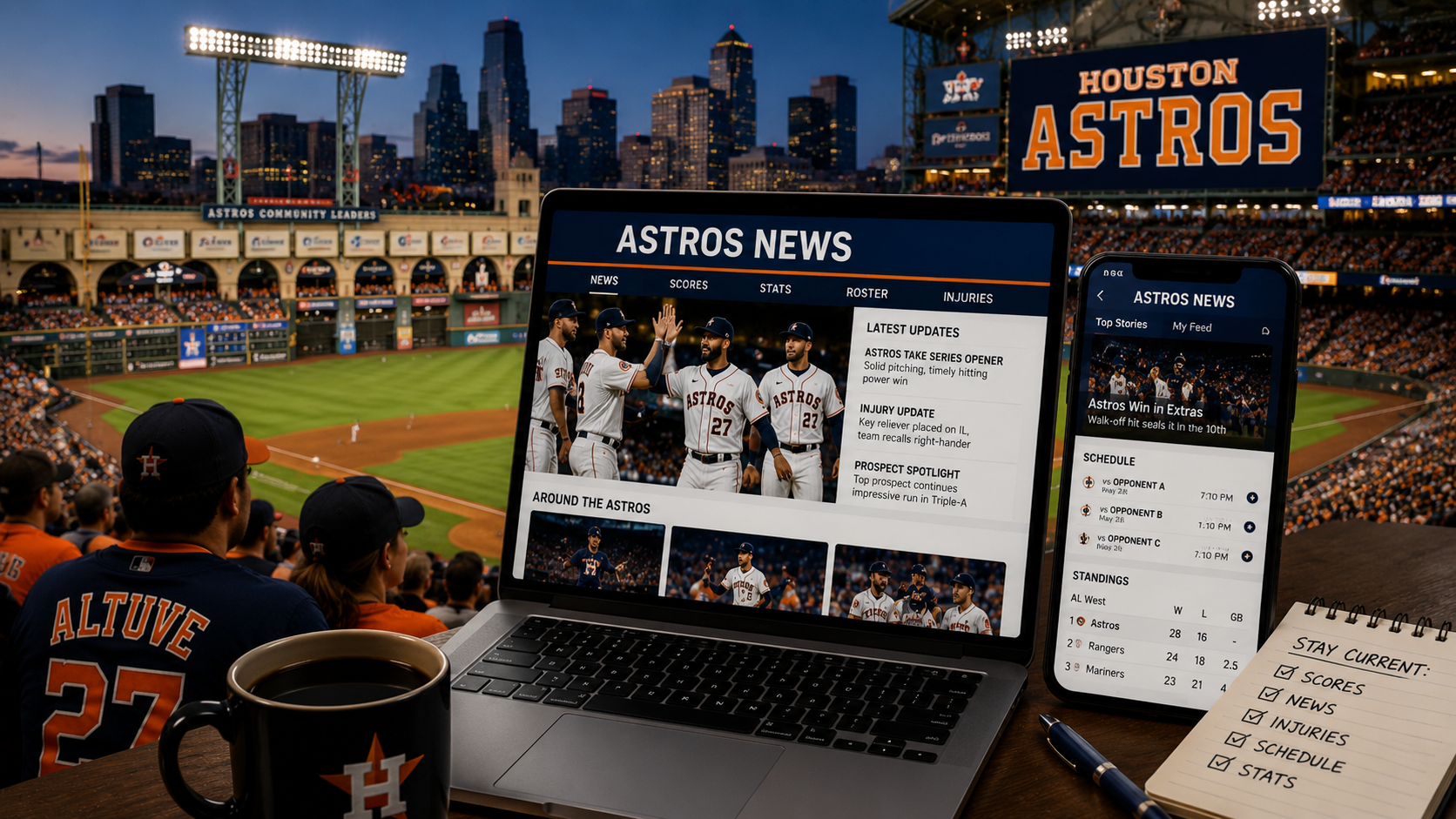
Astros news refers to ongoing coverage of the Houston Astros, including game results, roster moves, injuries, and trade deadline activity. As of mid-July 2026, Houston sits at 47-51, third in the AL West but just 3.5 games out of first place heading into the All-Star break, with the front office signaling it plans to add players before the August 3 trade deadline despite a season disrupted by significant injuries.
Why People Search for “Astros News”
Searches for Astros news usually come from a few different angles. Some fans want a quick check on last night’s score. Others are tracking a specific injury, like shortstop Jeremy Peña’s calf strain or Carlos Correa’s season-ending ankle surgery. And a good number of readers show up during the summer specifically to follow trade deadline rumors, since that period tends to generate the most headlines of any stretch in the regular season outside the playoffs.
This guide covers where to find reliable, current Astros coverage, explains the team’s situation heading into the second half of the 2026 season, and answers the questions that come up most often when people search the team’s name alongside “news.”
Where to Find Reliable Astros News
Not all sources update at the same pace or cover the same angles, so it helps to know what each one is best for.
MLB.com’s official Astros page is the most reliable source for injury updates, roster moves, and transactions, since it pulls directly from team-reported information.
ESPN and Yahoo Sports provide box scores, standings, and transaction logs, along with broader league context for how Houston’s moves compare to other AL West teams.
MLB Trade Rumors focuses specifically on trade speculation, waiver claims, and free agency, which makes it a useful stop during the weeks leading up to the trade deadline.
Team beat writers at outlets covering Houston specifically often break news first on roster decisions and locker room context, since they have direct access to the manager and front office.
How the Astros’ 2026 Season Has Unfolded
Houston entered the 2026 season as a veteran-heavy team that also had to answer some real questions about depth and health. Those questions turned into a defining storyline. By the All-Star break, the Astros had been hit with a wave of significant injuries across the roster.
Shortstop Carlos Correa underwent surgery in May to repair a torn tendon in his left ankle and was ruled out for the remainder of the 2026 season. Fellow shortstop Jeremy Peña missed time with a calf strain, and starting pitcher Hunter Brown, closer Josh Hader, and pitchers Cristian Javier and Lance McCullers Jr. all dealt with injuries or inconsistent performance at various points in the first half. The pitching staff in particular struggled to stay both healthy and effective, with the team’s rotation ERA reflecting the absence of key arms for stretches of the season.
Despite all of that, Houston sat at 47-51 heading into the All-Star break, only 3.5 games behind the division leader in a wide-open AL West. That’s a notable contrast: a below-.500 record that still leaves the team within realistic striking distance of a playoff spot, largely because no team in the division has pulled decisively ahead.
Trade Deadline Outlook
The 2026 MLB trade deadline falls on August 3, and Houston’s front office, led by general manager Dana Brown, has signaled the team intends to be a buyer rather than a seller this summer.
The clearest roster need is offensive punch from the left side of the plate. Houston entered July with the fewest plate appearances from left-handed hitters of any team in baseball, and a significant share of that production has come from one player, outfielder and designated hitter Yordan Alvarez. The front office has been connected to outfielders on other rosters who could address that imbalance, along with relief pitching help to stabilize a bullpen that’s been asked to cover for an inconsistent rotation.
Beyond the outfield, starting pitching depth remains an open question. With Hunter Brown back from injury but the rest of the rotation still finding its footing, and prospects like Cristian Javier working to reestablish themselves, Houston’s front office has been searching the trade market for pitching reinforcements heading into the season’s second half.
Common Mistakes When Following Astros News
Assuming a losing record means the team is out of contention. A sub-.500 record can still leave a team within a few games of a playoff spot in a weak division, which is exactly Houston’s situation heading into the second half of 2026.
Confusing rehab assignments with a full return. Players on the injured list often play a game or two at the minor league level before rejoining the major league roster, and a rehab appearance doesn’t always mean an immediate return to Houston.
Treating every trade rumor as a completed deal. Reports about players a team is “connected to” or “interested in” reflect speculation and background reporting, not confirmed trades. Official transactions are usually confirmed directly by the team.
Overlooking depth moves. Not every roster move involves a star player. Minor transactions, like optioning a reliever to Triple-A or recalling a bench player, happen constantly and matter more for day-to-day roster construction than headline-grabbing trades.
Key Facts About the Astros’ 2026 Season
- Houston entered the All-Star break at 47-51, third in the AL West.
- The team trailed the division leader by 3.5 games heading into the break.
- Shortstop Carlos Correa is out for the remainder of the 2026 season following ankle surgery.
- The Astros have the fewest plate appearances from left-handed hitters in MLB this season.
- General manager Dana Brown has said the team plans to buy, not sell, at the trade deadline.
- The 2026 MLB trade deadline is August 3.
- Outfield depth and bullpen help have been identified as the team’s top roster needs.
Frequently Asked Questions
Where can I find the most current Astros news?
MLB.com’s official Astros page and major sports outlets like ESPN and Yahoo Sports offer the most reliably updated coverage of scores, injuries, and transactions.
Are the Astros making the playoffs in 2026?
As of the All-Star break, Houston is below .500 but only 3.5 games out of first place in a competitive AL West, meaning a playoff spot remains realistically in reach depending on the team’s second-half performance and trade deadline additions.
What is the biggest injury update for the Astros?
Shortstop Carlos Correa underwent ankle surgery in May 2026 and was ruled out for the rest of the season, one of several significant injuries the team has managed throughout the year.
Is Houston buying or selling at the trade deadline?
The Astros’ front office has stated the team plans to be a buyer, looking to add a left-handed hitting outfielder and bullpen help ahead of the August 3 deadline.
Why have the Astros struggled despite a veteran roster?
Injuries to key players, including Correa, Peña, Hunter Brown, and members of the bullpen, have been the primary factor cited for Houston’s inconsistent first half.
When is the MLB trade deadline?
The 2026 MLB trade deadline is August 3.
Key Takeaways
- Astros news in 2026 has centered on a wave of injuries, a below-.500 record, and a tight AL West race that keeps the team in playoff contention.
- Carlos Correa’s season-ending ankle surgery is the most significant injury development of the year.
- The front office plans to buy at the trade deadline, targeting a left-handed hitting outfielder and bullpen reinforcements.
- Reliable Astros coverage is best found through MLB.com, major sports outlets, and dedicated trade rumor sites during deadline season.
- Standings context matters: a losing record doesn’t necessarily rule out playoff contention in a weak division.
Conclusion
Following Astros news right now means tracking two storylines at once: a roster working through significant injuries, and a front office positioning itself to add talent before the August 3 trade deadline. With Houston sitting close enough to first place to stay in the playoff conversation despite a losing record, the moves the team makes over the coming weeks are likely to shape how the rest of the 2026 season plays out.

If you typed “mental fog nyt” into a search bar, you probably landed here for one of two reasons. Either you’re stuck on a New York Times Mini Crossword clue, or you’re dealing with an actual foggy brain and wondering what’s going on. Good news: this article covers both.
Direct Answer
The answer to the “Mental fog” clue in the NYT Mini Crossword is HAZE, a four-letter word. Beyond the puzzle, mental fog describes a real cognitive state marked by fuzzy thinking, poor concentration, forgetfulness, and mental fatigue. It’s not a diagnosis on its own, but a symptom that can come from sleep loss, stress, poor nutrition, hormonal changes, certain medications, or an underlying health condition.
Why “Mental Fog NYT” Shows Up in Crossword Puzzles
Crossword constructors love clues that use everyday metaphors, and “mental fog” is a favorite because it has a clean, obvious link to a short, common word. Fog, in the physical world, is a cloud of tiny water droplets that blocks visibility. Mentally, “fog” describes a similar blockage: your thoughts are there, but you can’t see them clearly.
That’s why HAZE fits so well. Haze and fog both describe reduced visibility, whether it’s outside your window or inside your head. The NYT Mini tends to reuse clean, well-known metaphor clues like this one across different puzzles, so you may see “mental fog nyt” pop up again in future editions.
What Mental Fog Actually Means
Outside of crossword grids, mental fog (also called brain fog) refers to a temporary dip in mental sharpness. People describe it as feeling like their brain is wrapped in cotton, or like they’re trying to think through static.
Common signs include:
- Trouble concentrating on a task for more than a few minutes
- Forgetting words mid-sentence
- Losing track of what you were doing
- Feeling mentally tired even after resting
- Slower processing when solving problems or making decisions
It’s a subjective experience, so it looks a little different for everyone. Some people notice it mainly in the afternoon, while others feel foggy first thing in the morning before their mind “wakes up.”
What Causes Mental Fog
Mental fog usually has a trigger, and often more than one is happening at the same time. Here are the most common contributors.
Sleep Problems
Poor sleep is one of the biggest drivers of daytime fog. Even one night of short or broken sleep can slow reaction time and make focus harder the next day. Chronic sleep debt compounds the effect over weeks.
Stress and Anxiety
When your body is in a prolonged stress response, it releases cortisol, which in high or sustained amounts can interfere with memory and attention. Anxious thoughts also compete for the same mental bandwidth you’d normally use to focus on a task.
Diet and Blood Sugar Swings
Skipping meals or eating mostly refined carbs can cause blood sugar spikes and crashes. The crash phase often brings sluggish thinking along with it. Dehydration has a similar effect, even mild dehydration can measurably slow cognitive performance.
Hormonal Changes
Pregnancy, perimenopause, menopause, and thyroid imbalances are all linked to reported brain fog. Fluctuating hormone levels affect neurotransmitters involved in attention and memory.
Medications and Substances
Some antihistamines, antidepressants, and pain medications list mental cloudiness as a side effect. Alcohol and recreational drug use can also leave a lingering fog well after the immediate effects wear off.
Underlying Health Conditions
Persistent brain fog can be tied to conditions such as depression, chronic fatigue syndrome, fibromyalgia, autoimmune disorders, long COVID, anemia, or vitamin deficiencies (especially B12 and D). If fog doesn’t improve with lifestyle changes, it’s worth discussing with a doctor.
How Mental Fog Works in the Brain
Cognitive scientists don’t treat “brain fog” as a single measurable thing, but studies on attention and fatigue point to a few overlapping mechanisms. Reduced blood flow to certain brain regions, inflammation, disrupted neurotransmitter balance, and simple mental fatigue from overuse can all reduce the brain’s processing speed and working memory capacity at the same time. That combination is what produces the fuzzy, slowed-down feeling most people describe.
Common Mistakes People Make With Mental Fog
Assuming it’s just “getting older.” Age can play a small role, but persistent fog at any age usually has an identifiable and often fixable cause.
Powering through with caffeine alone. Caffeine can mask fatigue temporarily, but it doesn’t fix the sleep debt or stress causing the fog, and it can make the crash worse later.
Ignoring hydration. People often overlook water intake as a factor, even though mild dehydration is a well-documented contributor to poor concentration.
Self-diagnosing a serious condition from a symptom checklist. Occasional fog after a bad night’s sleep is normal. Daily, unrelenting fog that doesn’t improve is a signal to see a healthcare provider rather than guess.
Real-World Examples
A student who pulls an all-nighter before an exam often reports reading the same paragraph three times without absorbing it. That’s short-term mental fog from acute sleep deprivation.
A new parent running on interrupted sleep for weeks may describe forgetting simple words during conversations. That’s cumulative fog from chronic sleep disruption.
Someone recovering from a viral illness might notice they can’t concentrate at work the way they used to, even though the infection itself has cleared. This is one of the patterns researchers have observed in long COVID and other post-viral syndromes.
Ways to Reduce Mental Fog
- Prioritize consistent sleep. Aim for a steady sleep and wake time, since consistency matters as much as total hours.
- Stay hydrated throughout the day rather than catching up all at once.
- Eat balanced meals with protein and fiber to avoid sharp blood sugar swings.
- Move your body. Even a short walk increases blood flow and has been shown to improve focus afterward.
- Take real breaks. Short breaks away from screens give your attention system time to reset.
- Manage stress with a routine you can actually keep, whether that’s breathing exercises, journaling, or simply stepping outside.
- Talk to a doctor if fog is constant. Bloodwork can rule out thyroid issues, anemia, or vitamin deficiencies quickly.
Key Facts
- The NYT Mini Crossword clue “Mental fog” solves to HAZE.
- Mental fog is a symptom, not a medical diagnosis on its own.
- Sleep, stress, diet, hormones, medications, and underlying conditions are the most common causes.
- Mild dehydration alone can measurably reduce concentration.
- Persistent fog that doesn’t improve with lifestyle changes is worth a medical checkup.
FAQ
What does “mental fog nyt” mean?
It usually refers to the NYT Mini Crossword clue “Mental fog,” which has the answer HAZE. The same phrase is also used to describe the real experience of foggy, unfocused thinking.
Is mental fog the same as brain fog?
Yes, the two terms are used interchangeably to describe reduced mental clarity, slower thinking, and trouble concentrating.
Is mental fog dangerous?
Occasional mental fog from poor sleep or stress isn’t dangerous on its own. Persistent fog can be a sign of an underlying condition, so it’s worth checking with a doctor if it doesn’t go away.
How long does mental fog last?
It depends on the cause. Fog from one bad night’s sleep often clears within a day. Fog linked to chronic stress, a medical condition, or medication side effects can last weeks or longer until the underlying cause is addressed.
Can food and drink cause mental fog?
Yes. Blood sugar crashes, dehydration, and excess alcohol are common dietary triggers.
When should I see a doctor about mental fog?
If fog is constant, worsening, or paired with other symptoms like fatigue, mood changes, or memory problems, it’s a good idea to get checked rather than assume it will pass on its own.
Key Takeaways
- “Mental fog nyt” most often points to the NYT Mini Crossword clue solved by HAZE.
- Mental fog is a real cognitive experience involving slowed thinking, poor focus, and forgetfulness.
- Common causes include poor sleep, chronic stress, blood sugar swings, dehydration, hormonal shifts, medication side effects, and underlying health conditions.
- Simple habits like consistent sleep, hydration, balanced meals, and movement can reduce everyday fog.
- Ongoing or worsening fog deserves a conversation with a healthcare provider.
Conclusion
Whether you searched “mental fog nyt” to finish today’s Mini Crossword or because your own thinking has felt cloudy lately, the underlying idea is the same: fog, mental or physical, means something is blocking clear visibility. In the puzzle, the fix is a four-letter word. In real life, the fix usually starts with sleep, hydration, and a closer look at what’s been draining your focus.
For generations of American shoppers, JCPenney was as reliable as the mall itself. You knew where to find affordable clothing, home goods, and a portrait studio that booked up fast around the holidays. So when news breaks about another J.C. Penney closing, it tends to land differently than your average retail story. People want to know if their local store is affected, why this keeps happening, and whether the company has a future at all.
The answers are more complicated than a simple yes or no — and more encouraging in some ways than the headlines suggest.
Direct Answer
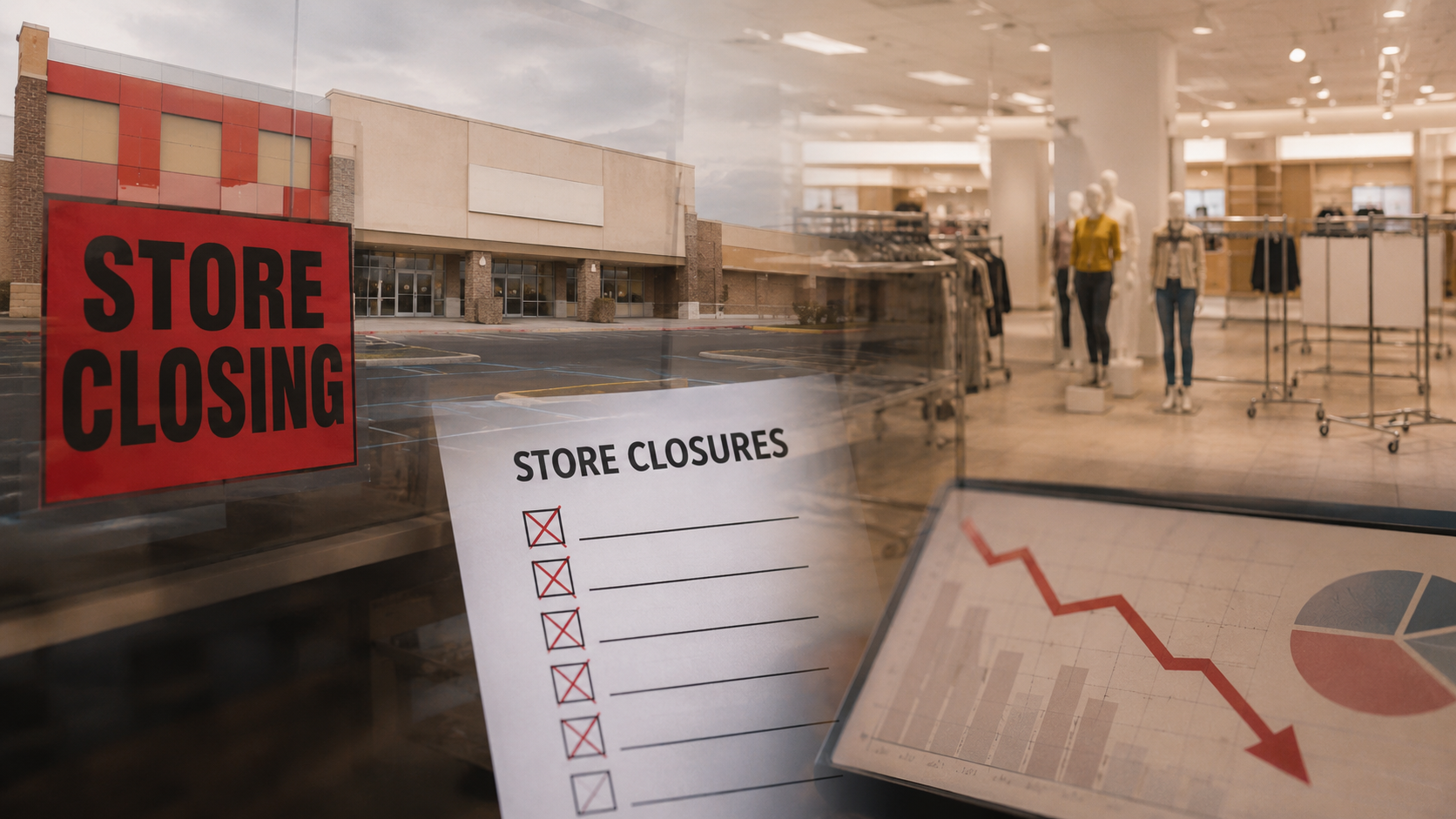
J.C. Penney has been closing a small but steady number of stores in 2025 and 2026. After shuttering eight locations across eight states in 2025, the company confirmed three additional closures in 2026. As of mid-2026, JCPenney still operates over 640 stores nationwide. Closures have been driven by expiring leases, mall redevelopment, and broader retail industry pressures rather than an announced mass shutdown.
The Current State of J.C. Penney Closing Activity
After closing eight locations across eight states in 2025, JCPenney confirmed three more closures in 2026, leaving its broader future in question after a nearly $1 billion store sale deal collapsed. As of May 2026, the retailer still operated over 640 locations across all 50 U.S. states.
That’s a notable contrast to the catastrophic closures many people associate with JCPenney. The company has not announced a mass shutdown. What’s happening instead is a slower, store-by-store contraction tied to specific lease situations and local market conditions.
JCPenney stated in February 2025: “While we do not have plans to significantly reduce our store count, we expect a handful of JCPenney stores to close by mid-year. The decision to close a store is never an easy one, but isolated closures do happen from time to time due to expiring lease agreements, market changes, or other factors.”
That framing is worth keeping in mind. J.C. Penney closing a handful of stores is different from J.C. Penney closing as a company — a distinction that often gets lost when individual closure announcements make headlines.
Which Stores Closed in 2025?
The 2025 closures included locations at the Westfield Annapolis Mall in Annapolis, Maryland; the Pine Ridge Mall in Pocatello, Idaho; the West Ridge Mall in Topeka, Kansas; the Fox Run Mall in Newington, New Hampshire; and the Asheville Mall in Asheville, North Carolina. Additional closures occurred at the Charleston Town Center in Charleston, West Virginia; the Shops at Tanforan in San Bruno, California; and the Shops at Northfield in Denver, Colorado.
Most of these were mall locations, which tracks with a broader trend of mall anchor stores declining as shopping centers lose foot traffic and face redevelopment pressure.
The Shops at Northfield lost its JCPenney on May 25, 2025 — the same day it lost its Macy’s. The shopping center, since rebranded as the Avenues at Northfield, is owned by Stockdale Capital Partners and is undergoing significant changes, potentially including the addition of apartment complexes and new shops.
This pattern — a J.C. Penney closing alongside a Macy’s at the same mall — reflects what’s happening to the traditional mall anchor model more broadly. When both major anchors leave, the entire center often pivots to a different purpose entirely.
Which Stores Closed in 2026?
In 2026, JCPenney shuttered one location in Pleasanton, California, in February. The Springfield, Virginia, and Sanford, Florida, locations both closed in late May.
Each closure had its own story. The JCPenney at Stoneridge Mall in Pleasanton permanently closed on February 22, 2026, after the company said it was “unable to continue our current lease terms for this store location and have been unable to find another suitable location in the market.”
The Sanford, Florida, location at Seminole Towne Center closed on May 24, 2026, after 31 years in operation. The building was sold to Atlanta-based developer Ardent in December 2025 for $7 million as part of a larger mall redevelopment. Ardent plans to demolish the original mall structure in mid-2026, with a Costco opening on the former Macy’s site expected in 2027.
The Sanford case is a good example of how J.C. Penney closing in a specific location isn’t always about the retailer’s performance — sometimes it’s about a developer buying the real estate and having other plans for the land entirely.
Why Is J.C. Penney Closing Stores? The Bigger Picture
No single cause explains what’s happening at JCPenney. It’s a mix of company-specific history and industry-wide forces that have reshaped retail over the past two decades.
The 2011 Rebranding Mistake
Analysts attribute JCPenney’s decline partly to a major rebranding effort in 2011 under then-newly appointed CEO Ron Johnson, who introduced a new logo and redesigned stores to promote a more modern concept. JCPenney abandoned its long-standing promotional pricing strategy, replacing frequent sales and coupons with everyday low pricing. It also reduced its private-label offerings to focus on national brands. The change failed to resonate with its core customers and instead created a perception of higher prices.
Loyal JCPenney shoppers had come to expect sales and coupons as part of the shopping experience. When those disappeared, so did many of those customers — and they didn’t all come back when the company reversed course.
Bankruptcy and Restructuring
JCPenney filed for Chapter 11 bankruptcy in early 2020, citing the COVID-19 pandemic and the subsequent economic fallout. The company later resurfaced in December 2020 with new owners, including Brookfield Property Partners and Simon Property Group, with a new strategy to restructure its stores and decrease debt.
Emerging from bankruptcy gave the company a financial reset, but it didn’t erase the underlying challenges: changing consumer habits, mall decline, and intense competition from e-commerce.
The Broader Retail Environment
Traditional brick-and-mortar retail continues to shrink. Rising operating costs and the rapid growth of e-commerce have reshaped consumer behavior, leaving empty mall storefronts and shuttered stand-alone locations across the country. Retailers announced 67% more store closures in 2025 than the previous year, according to Coresight Research.
JCPenney is navigating the same headwinds affecting department stores nationwide. Macy’s, for example, announced plans to close roughly 150 underperforming stores. The issue isn’t unique to JCPenney — it’s a sector-wide reckoning with the limits of large-format retail in the current environment.
The Failed $947 Million Property Deal
One development that added significant uncertainty to JCPenney’s future was a major real estate deal that ultimately fell apart.
In July 2025, JCPenney entered into a $947 million all-cash deal with private equity firm Onyx Partners Ltd., agreeing to transfer ownership of 119 store locations. The deal was executed through Copper Property CTL Pass-Through Trust — the entity created during JCPenney’s bankruptcy to hold and dispose of its real estate assets.
The deal was initially expected to close in September 2025, but repeated delays ultimately led to an unexpected outcome. Months later, Copper Property revealed the nearly $1 billion agreement had failed to close. In a Form 8-K filing dated December 22, 2025, the trust issued a notice to Onyx Partners confirming the agreement would be terminated if the buyer did not complete the transaction by December 26, 2025.
The failure of that deal left the future of 119 store locations uncertain. It also raised questions about investor confidence in JCPenney’s long-term real estate position — though all 119 stores continued operating during and after the failed transaction.
The Catalyst Brands Merger
JCPenney’s corporate structure shifted significantly in early 2025 through a merger that many shoppers haven’t heard much about.
In January 2025, JCPenney merged with multi-brand retailer SPARC Group to create Catalyst Brands, which brought six retail names — including Aéropostale, Brooks Brothers, and Lucky Brand — into one unified company.
Despite lackluster financial results, Marc Rosen, the current CEO of Catalyst Brands, indicated that the combination would allow the firms to “leverage our resources and best-in-class industry talent to grow our brands even further.”
The practical effect of this merger on the day-to-day JCPenney shopping experience is limited — stores still operate under the JCPenney name. But it represents a bet that combining brands under one operational umbrella creates efficiencies and financial stability that neither company could achieve alone.
Common Misconceptions About J.C. Penney Closing
“JCPenney is shutting down entirely.”
This is the most common misunderstanding. As of May 2026, JCPenney still operated over 640 locations across all 50 U.S. states. The company is closing individual underperforming stores, not winding down as a whole.
“Every J.C. Penney closing is about the company failing.”
Not necessarily. Several recent closures have been driven by mall redevelopment, building sales to developers, or lease terms the company couldn’t renegotiate — not poor store performance specifically.
“The closures are all connected to the Catalyst Brands merger.”
JCPenney specifically stated that the 2025 closures were “unrelated to the recent Catalyst Brands merger.”
“JCPenney never recovered from bankruptcy.”
The company did emerge from bankruptcy in December 2020 with new ownership and a restructured debt load. Recovery has been uneven, but the chain has continued operating hundreds of stores in the years since.
What Happens to Employees and Shoppers When a Store Closes?
When a J.C. Penney closing is announced, two groups are immediately affected: employees and regular customers.
For employees, store closure typically means layoffs, though workers are often offered the opportunity to transfer to nearby locations if positions are available. JCPenney has generally directed customers to remaining stores in the area or to JCPenney.com.
For shoppers, the loss of a local JCPenney can be genuinely disruptive — especially in communities where the store was one of few accessible options for affordable clothing and home goods. In smaller markets or towns where the nearest alternative is a significant drive away, a closure has practical consequences beyond inconvenience.
The fate of the building itself varies. Some become anchors for mall redevelopment projects, as seen in Sanford, Florida. Others sit vacant for years, which is a visible symbol of the challenges facing traditional retail real estate.
Key Facts
- JCPenney was founded in 1902 and has operated as a department store chain for more than 120 years.
- JCPenney filed for Chapter 11 bankruptcy in 2020 and emerged with new owners — Brookfield Property Partners and Simon Property Group — in December of that year.
- JCPenney closed eight stores in 2025 and confirmed three additional closures in 2026, bringing the total to at least eleven locations over that period.
- A $947 million deal to sell 119 store properties to Onyx Partners fell through at the end of 2025, leaving the real estate status of those locations unresolved.
- JCPenney merged with SPARC Group in January 2025 to form Catalyst Brands, which also includes Aéropostale, Brooks Brothers, Eddie Bauer, Lucky Brand, and Nautica.
- Retailers announced 67% more store closures in 2025 than the previous year, according to Coresight Research, making JCPenney part of a much wider industry trend.
FAQ: J.C. Penney Closing
Is JCPenney going out of business?
No. As of mid-2026, JCPenney operates more than 640 stores and has not announced a plan to close all locations. Individual stores continue to close on a case-by-case basis.
How many JCPenney stores have closed recently?
Eight stores closed in 2025, and at least three more confirmed closures occurred in early 2026.
Why is JCPenney closing specific stores?
Reasons vary by location and include expired or renegotiated leases, mall redevelopment projects, and local market conditions. The company has stated that closures are evaluated individually rather than as part of a broad reduction strategy.
What happened to JCPenney’s $947 million property deal?
The deal with Onyx Partners Ltd. to sell 119 store properties fell through at the end of 2025 after repeated delays. All 119 stores remained open and operational throughout the process.
What is Catalyst Brands?
Catalyst Brands is the company formed by the January 2025 merger of JCPenney and SPARC Group. It operates six retail brands, including JCPenney, Aéropostale, Brooks Brothers, Eddie Bauer, Lucky Brand, and Nautica.
Can I still shop at JCPenney online if my local store closes?
Yes. JCPenney operates an e-commerce site at JCPenney.com, and the company has consistently directed customers affected by store closures to both nearby locations and its online store.
Is JCPenney’s situation unique, or are other department stores also closing?
It’s an industry-wide trend. Macy’s, Kohl’s, and other major department store chains have all announced store closures in recent years as they adapt to changing consumer behavior and rising operating costs.
Key Takeaways
- J.C. Penney closing activity in 2025 and 2026 involves specific underperforming or lease-expired locations, not a company-wide shutdown.
- As of mid-2026, JCPenney still operates more than 640 stores across all 50 states.
- Eleven stores closed between 2025 and mid-2026, with individual reasons ranging from lease issues to mall redevelopment.
- A nearly $1 billion real estate deal involving 119 properties collapsed at the end of 2025, adding uncertainty to JCPenney’s real estate future.
- The January 2025 merger with SPARC Group created Catalyst Brands, placing JCPenney alongside five other retail brands under shared leadership.
- JCPenney’s struggles are part of a broader retail sector contraction, not an isolated corporate failure.
- The 2011 rebranding under CEO Ron Johnson is widely cited as a key turning point that eroded customer loyalty and accelerated the chain’s difficulties.
JCPenney’s story since 2020 has been one of gradual recovery interrupted by ongoing challenges. The chain that filed for bankruptcy during a global pandemic has managed to keep hundreds of stores open while competitors also struggled. Whether J.C. Penney closing individual stores signals a slow retreat or a strategic rightsizing depends largely on what happens with its broader financial position, its Catalyst Brands partnership, and whether it can continue adapting to a retail environment that looks very different from the one the company was built for.


Prince Harry: Titles, Family History, and Life After Stepping Back From Royal Duties

Astros News: A Complete Guide to Staying Current on Houston’s Season

Amber Heard: Career, Legal History, and Where She Is Today

Venezuela Ladies: Understanding Venezuelan Women, Their Culture, and What to Know Before Connecting With Them

Why Is Grammy Awards Trending? Here’s What’s Behind the Buzz

Trump D.C.: What’s Happening With the President’s Washington Policies
-
 Lifestyle3 weeks ago
Venezuela Ladies: Understanding Venezuelan Women, Their Culture, and What to Know Before Connecting With Them
-
 News3 weeks ago
Why Is Grammy Awards Trending? Here’s What’s Behind the Buzz
-
 Business3 weeks ago
Trump D.C.: What’s Happening With the President’s Washington Policies
-
 Travel3 weeks ago
USA Today Comics: What They Are, How to Read Them, and Why They Still Matter
-

 News1 month ago
Mike Leach: The Coach Who Changed College Football Forever
-

 News3 weeks ago
Drew Bobo Out for Spring Practice: What It Means for Georgia’s Offensive Line
-
 News2 weeks ago
White House CBS Legal Warning: What Happened With the Trump Interview Dispute
-

 Tech4 weeks ago
US Attacks Iran: What Happened, Why, and What’s Next